Joondalup Halts Marri Tree Planting Amid Invasive Beetle Threat
The City of Joondalup has made a decisive move to suspend the planting of native marri trees in parks and street verges for the foreseeable future. This action is part of a broader strategy to combat the spread of the polyphagous shot-hole borer, an invasive beetle that poses a significant threat to Perth's northern suburbs. Officials are taking these measures to protect the urban forest from further damage.
Rising Infestation and Tree Removal
Recent data reveals that twenty-nine trees across six locations in Joondalup have been removed due to confirmed cases of the polyphagous shot-hole borer. This marks a sharp increase from just three cases reported on council-managed land in June 2025. The infestations have been identified in Duncraig and Kingsley on city-managed properties, with an additional case on private land in Sorrento.
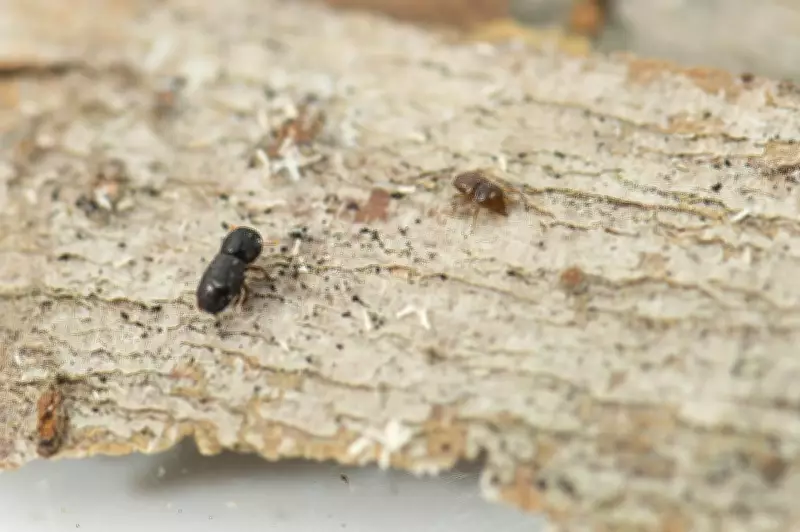
The beetle, which is about the size of a sesame seed, is particularly deadly to trees. It bores into the wood and carries a fungus that can kill trees by blocking the flow of water and nutrients. Since its first detection in Western Australia in 2021, thousands of trees across Perth have been lost to this destructive pest.

Denied Request for Marri Trees
The decision to halt marri tree planting came to light following an elector's motion that requested the city to plant 100 marri trees in Gascoyne, Chichester, and Timberlane parks. The goal was to support endangered Carnaby's and red-tailed black cockatoos in the area. However, a council-supported report did not recommend this action.
City staff explained in the report that marri trees, scientifically known as corymbia calophylla, are endemic to southwest Western Australia but have been identified as a reproductive host for the polyphagous shot-hole borer. As a result, the city has suspended planting any tree species known to host the beetle to prevent its spread.
Alternative Planting Strategies
Despite the denial of the marri tree request, the city is committed to supporting black cockatoos. The report indicated that officials will assess opportunities to plant alternative species in the specified parks. This initiative is set to be included in the 2027 winter tree-planting program, ensuring that food sources for the cockatoos are maintained without risking beetle infestation.
Joondalup Mayor Daniel Kingston emphasized that this is a temporary precaution based on advice from the Department of Primary Industries and Regional Development (DPIRD). He stated, "This is a temporary precaution to help protect our urban forest, and we'll review regularly in line with updated advice from DPIRD and as part of the city's ongoing management strategy."
Replacement and Future Planting Plans
To mitigate the loss of canopy cover caused by the beetle, the city has secured grant funding. This funding will support the planting of approximately three new trees for every tree removed. Specific plans include planting 61 trees in Duncraig, in addition to 22 previously planted, as part of the winter tree planting program.
This year, nearly 1,000 trees are scheduled to be planted across Beldon and Heathridge, demonstrating the city's commitment to reforestation efforts. The marri tree remains listed as a preferred species in the city's street verge guidelines, but its planting is on hold until further notice to align with pest control measures.
The ongoing battle against the polyphagous shot-hole borer highlights the challenges faced by local governments in balancing environmental conservation with invasive species management. Residents and officials alike are hopeful that these proactive steps will safeguard Perth's green spaces for future generations.