Eyesore Waste Site to Remain for Two Decades Before Park Transformation
A contentious waste site in Western Australia, which has long been a source of frustration for nearby residents, is set to stay in operation for an additional 20 years before undergoing a significant transformation into a public park. The operator of the site has confirmed this extended timeline, sparking mixed reactions from the local community and environmental advocates.
Local Opposition and Operator's Plans
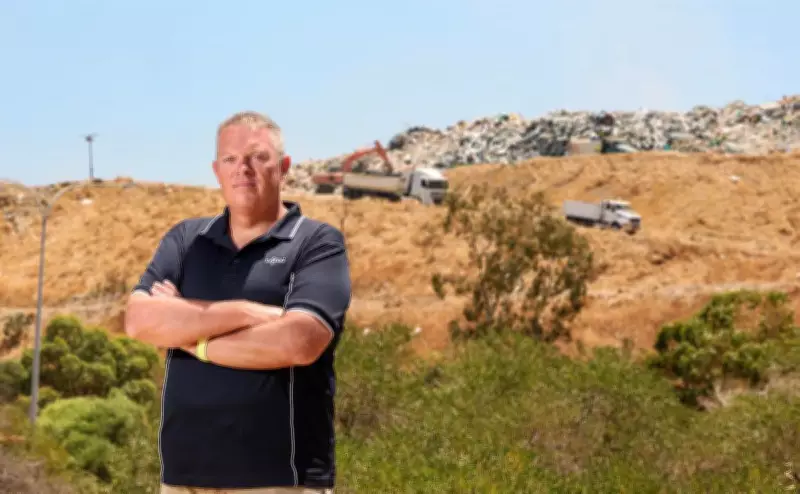
The waste facility, described as an eyesore by many locals, has faced persistent criticism due to its visual impact and potential environmental concerns. Residents have expressed strong dislike for the site, citing issues such as noise, odor, and reduced property values. Despite this opposition, the operator has outlined a long-term vision that involves maintaining the site's current waste management functions for the next two decades.
After this period, the operator plans to rehabilitate the area, converting it into a public park. This transformation is intended to address community concerns and provide a green space for recreational use. The operator has emphasized that the 20-year timeframe is necessary to complete ongoing waste processing and ensure proper environmental remediation before the park development can begin.

Environmental and Community Implications
The announcement has raised questions about the environmental impact of extending the site's operations. Critics argue that a 20-year delay in converting the area into a park could exacerbate existing issues, such as soil contamination and habitat disruption. However, the operator has stated that strict environmental controls will be in place during this period to minimize negative effects.
From a community perspective, the news has been met with disappointment by some locals who had hoped for a quicker resolution. Many feel that two decades is too long to wait for the promised park, especially given the current nuisance caused by the site. On the other hand, supporters of the plan highlight the potential long-term benefits, including improved local amenities and environmental restoration.
Broader Context and Future Outlook
This situation reflects broader challenges in balancing industrial needs with community and environmental priorities in Western Australia. Waste management sites often face similar conflicts, where operational requirements clash with residential expectations. The operator's commitment to a future park transformation is seen as a step toward reconciliation, but the extended timeline underscores the complexities involved in such projects.
Looking ahead, the success of this plan will depend on effective communication between the operator, local authorities, and residents. Regular updates and community engagement will be crucial to ensure transparency and address concerns over the next 20 years. If implemented successfully, the transformation could serve as a model for similar sites elsewhere, demonstrating how industrial areas can be repurposed for public benefit.
In summary, while the eyesore waste site will remain a point of contention for locals in the short term, the operator's vision for a public park offers a hopeful future. The 20-year journey toward this goal will require careful management and ongoing dialogue to navigate the challenges ahead.