A dangerous and invasive plant with potentially fatal consequences has been identified in the Perth metropolitan area, prompting an urgent warning to local residents. The City of Stirling has confirmed the presence of the highly toxic pokeweed plant within its boundaries, specifically in the suburbs of Carine and Mirrabooka.
What is Pokeweed and Why is it So Dangerous?
The plant, scientifically known as Phytolacca americana, is toxic to humans, livestock, and pets. A community notice issued by the city stresses that the plant "must be eradicated" due to the severe risk it poses. According to the Department of Primary Industries and Regional Development (DPIRD), all parts of the pokeweed plant are poisonous, with the roots being especially dangerous if ingested raw or without proper preparation.
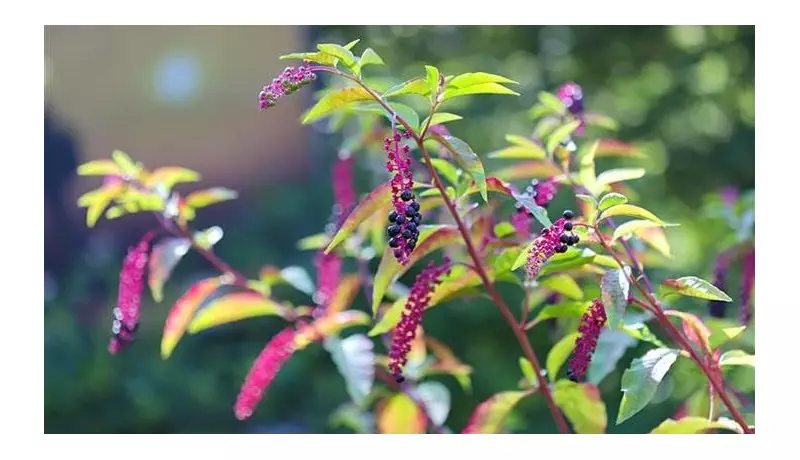
The shrub can be identified by several key features. It is capable of growing up to 2.5 metres tall and sports large, bright green leaves that can reach 40 centimetres in length. Its flowers form in clusters along the branches and range in colour from white to magenta. The berries are round with a distinctive flat top and bottom. They change colour as they mature, starting green, turning white, and finally becoming a dark, blackish-purple.

Don't Mistake It for Its Cousin: Inkweed
Authorities caution that pokeweed can easily be confused with a related permitted species called inkweed (Phytolacca octandra), which is already widespread in Western Australia's South West region. However, there are critical differences. Inkweed is generally smaller, growing to a maximum height of about 2 metres with leaves up to 25cm long. Its flowers are white to pale green, becoming purplish, and its berry stalks tend to stand more upright than those of pokeweed. It is vital to note that all parts of inkweed are also toxic.
What Stirling Residents Must Do Now
The City of Stirling and DPIRD are calling on the community to be vigilant. If you spot a plant you suspect is pokeweed, you are urged to take the following steps immediately:
- Record the precise location, date, and time of the sighting.
- Take a clear photograph of the plant if it is safe to do so.
- Report the sighting via the MyPestGuide Reporter app or online at mypestguide.dpird.wa.gov.au.
All confirmed pokeweed plants will be treated and removed by DPIRD biosecurity officers. For assistance with identification or to report a sighting, residents can also contact the Pest and Disease Information Service directly on 9368 3080 or via email at padis@dpird.wa.gov.au.
The detection was formally announced on the city's website on 5 January 2026, and the swift response underscores the serious biosecurity threat posed by this invasive species. Community cooperation is essential to prevent its spread and protect people and animals from harm.