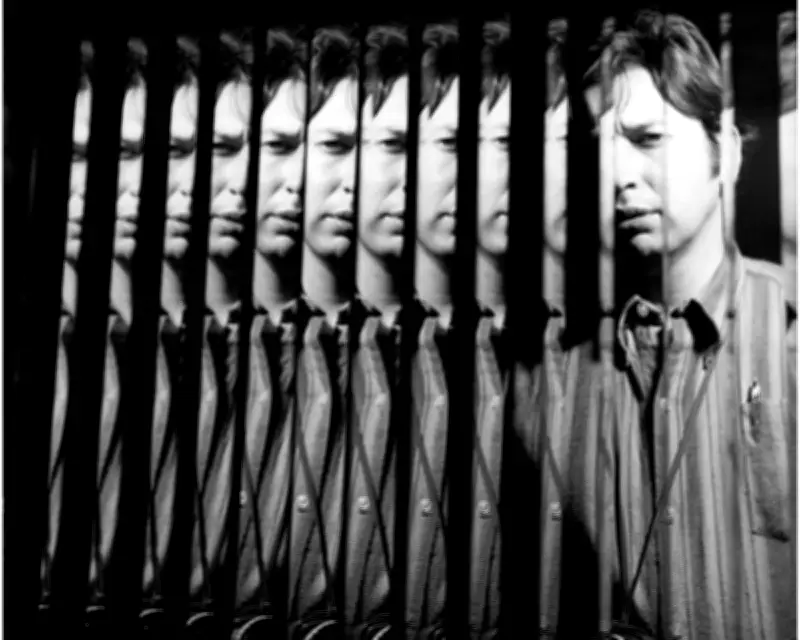
Julio Le Parc, the Argentine-born artist who became a leading figure in the kinetic and optical art movements, has died at the age of 97. His death was confirmed by his family, who said he passed away peacefully at his home in Paris on Thursday.
Early Life and Career
Le Parc was born on September 23, 1928, in Mendoza, Argentina. He studied at the National University of Fine Arts in Buenos Aires, where he became interested in the intersection of art, science, and technology. In 1955, he moved to Paris, where he quickly became involved with the avant-garde art scene. In 1960, he co-founded the Groupe de Recherche d'Art Visuel (GRAV), a collective of artists who sought to create art that was interactive, participatory, and accessible to the public.
Artistic Achievements
Le Parc's work explored the perception of movement and light, often using materials such as Plexiglas, mirrors, and electric motors to create dazzling, immersive installations. His pieces invited viewers to engage with them physically, as their movements would trigger changes in the artwork. This participatory approach was revolutionary at the time and influenced generations of artists.

In 1966, Le Parc was awarded the Grand Prix for painting at the Venice Biennale, a major recognition that cemented his international reputation. His work has been exhibited worldwide, including at the Museum of Modern Art in New York, the Tate Modern in London, and the Centre Pompidou in Paris.
Later Years and Legacy
Le Parc continued to create art well into his 90s, never losing his curiosity and commitment to experimentation. He was known for his modesty and his belief that art should be a collective experience rather than a commodity. His legacy is that of an artist who broke down barriers between the artwork and the viewer, making art an active, living encounter.
He is survived by his wife, two children, and three grandchildren. A private funeral will be held in Paris, with a public memorial planned for later this year.