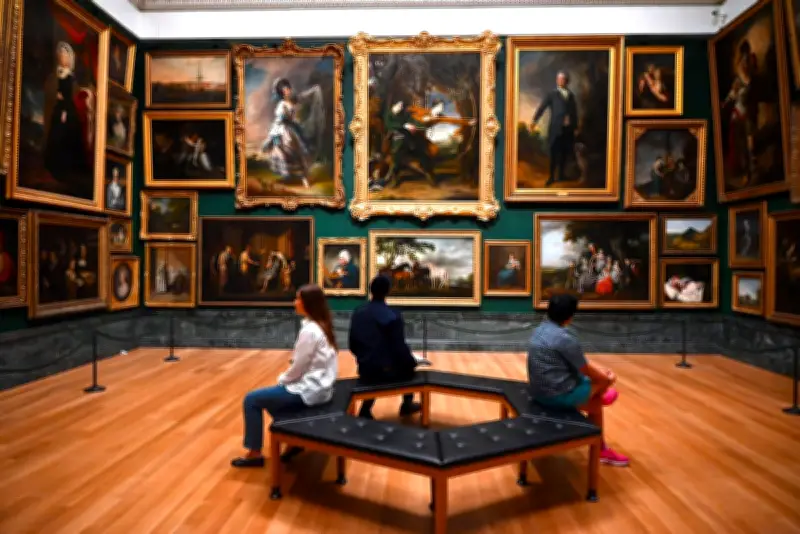
In response to a recent article and subsequent letters on the challenge of art overload in galleries, readers have shared their perspectives and advice on how to best enjoy museum visits. Dr Penelope Jackson from Tauranga, New Zealand, highlights the dilemma galleries face: they are criticized if they do not display a large portion of their collections. For instance, the National Gallery in London shows about 40% of its collection, while Tate Britain displays only a tiny fraction at any given time. The National Portrait Gallery would struggle to hang its entire collection. Jackson argues that galleries are caught between a rock and a hard place, trying to show as much as logistically possible, but visitors are not obliged to view every piece. She suggests we should be grateful that these institutions collect and showcase as much as they can, as not everyone likes the same things.
A Joyful Way to Engage with Art
Sue Lewis from Norwich, Norfolk, shares her secret to enjoying art galleries: going with children. She recounts taking her daughters to Tate (now Tate Britain) when they were around five and six years old. She allowed them to roam and find the "best" painting in each room, which they all discussed. They then whittled down the list to their five favorites and bought postcards to take home. Lewis was astonished to discover that her daughters had such different tastes—Picasso and Mondrian versus Stubbs and Holbein. She describes it as a revelation and a joyful way to engage with art and art criticism.
Tips for Navigating Large Galleries
Fiona Willan from Worthing, West Sussex, offers an additional tip for enjoying paintings in a large gallery without flagging. She notes that several readers mentioned visiting the cafe afterwards. Willan suggests reading a newspaper review of the exhibition beforehand to get pointers on which paintings to look out for. This approach leaves more time for that much-desired snack later. She encourages readers to have an opinion and to share their letters with the Guardian for potential publication in the letters section.