Sunrise erupts in fiery clash over Sydney mosques mourning Iran's Ayatollah
A fiery on-air clash has erupted on the Sunrise program, centering on the decision of at least four Sydney mosques to hold three days of mourning for Iran's slain supreme leader, Ayatollah Ali Khamenei. The Ayatollah was killed in joint United States and Israeli airstrikes, which have dramatically escalated the ongoing conflict in the Middle East.
Political condemnation and religious defence
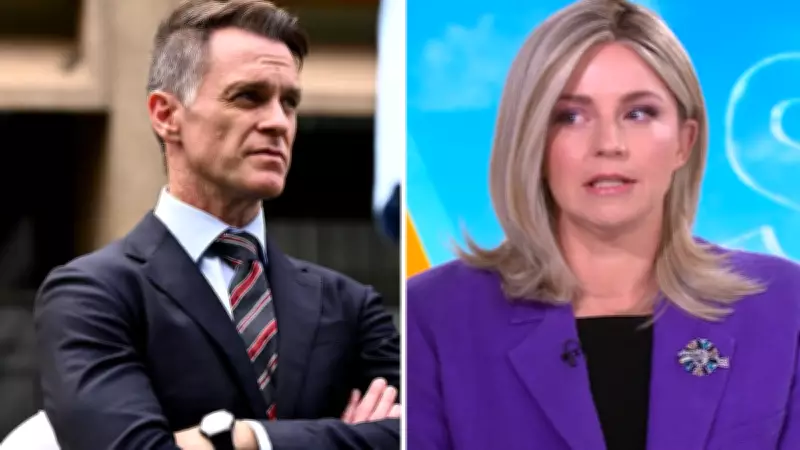
NSW Premier Chris Minns strongly condemned the mourning services, describing them as "atrocious" and declaring that "by any objective measure, the Ayatollah was evil." In contrast, Amanda Rose, founding director of Western Sydney Women, offered a vastly different perspective. She argued that it is "a bit arrogant of the premier to say to a religious organisation, you can’t mourn your spiritual leader." Rose questioned whether Minns would apply the same standard to other religious groups, such as the Catholic Church, Buddhists, or synagogues, if their leaders engaged in actions he disapproved of.
Moral debate and heated exchanges
The comparison drawn by Rose was immediately challenged by broadcaster Justin Smith and host Natalie Barr. They highlighted a moral distinction, questioning whether there is a difference between disagreeing with a leader's policies and mourning someone accused of severe human rights abuses, including the alleged murder of 30,000 people and the execution of young boys. Rose maintained that the issue is one of principle, stating, "I don’t have to agree with him and their religion, but I also don’t agree with a politician telling someone who they can or can’t mourn."

Her defence of the services, which were promoted to honour the Ayatollah's martyrdom, drew fierce pushback from Smith. He labelled the mourning as "disgusting" and questioned whether attendees were also mourning the regime's alleged victims. Smith warned, "It doesn’t help anybody. It doesn’t help people who are petrified of extremism, and it certainly doesn’t help the Muslims who are trying to live in peace." He added that those involved should not be surprised if ASIO monitors them.
Broader comparisons and escalating conflict
Rose acknowledged that the Ayatollah was a "tyrant in his behaviour" but argued that many global leaders exhibit similar traits. She cited former US President Donald Trump as an example, accusing him of having a "god complex" for decisions like bombing countries. When pressed, Rose affirmed that she believes Trump and the Ayatollah are comparable in this regard. Smith forcefully rejected this equivalence, calling the Ayatollah a "bloody murderer" and emphasising the regime's long history of killing, torturing, and oppressing people.
Rose further criticised Minns for selective outrage, labelling him a "hypocrite." She pointed to actions by other nations, such as the bombing of a school in Iran by America and Israel, which killed 160 children, and the IDF's operations in Gaza, resulting in 60,000 deaths, as examples of "tyrant activity." She urged consistency, stating, "If you’re going to condemn one group for killing, condemn everyone for all killing around the world."
Global context and legal standing
Smith acknowledged global suffering but insisted that Iran's regime cannot be equated with democratic governments. He argued, "If we did nothing about Iran, we would have learned absolutely zero from history. You can’t leave these kinds of regimes in place." This debate unfolds against a backdrop of rapidly escalating conflict in the Middle East. Following the airstrikes that killed the Ayatollah, Iran launched retaliatory missile strikes across the Gulf, targeting key infrastructure like major international airports in Dubai and Abu Dhabi. These attacks forced airspace closures, disrupting global flight paths and stranding thousands of travellers.

Despite the mounting criticism from political leaders and commentators, the mourning services in Sydney can legally proceed under Australia's religious freedom laws. The clash on Sunrise highlights deep divisions over religious expression, moral accountability, and the complexities of international conflicts.