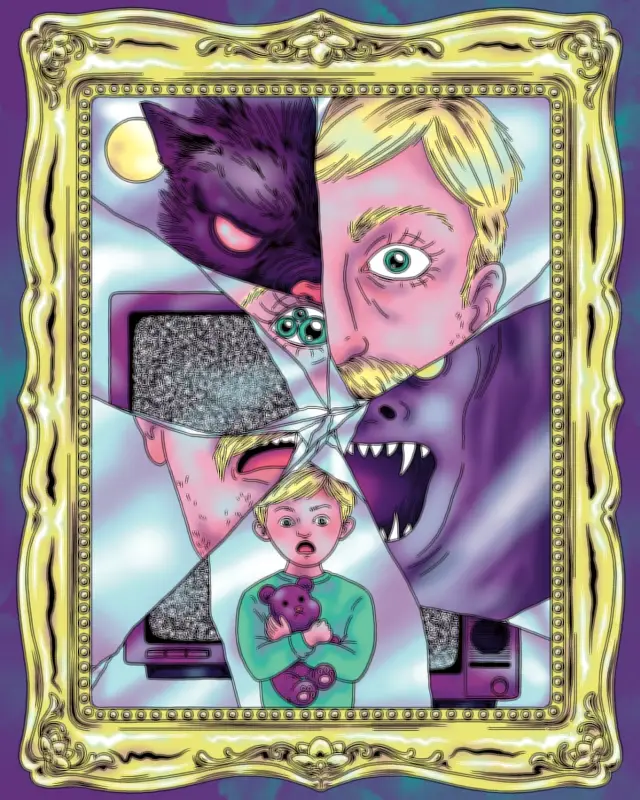
A leading psychiatrist has shed light on why certain individuals harbour an intense aversion to horror films, describing the phenomenon as a form of cinematic neurosis that triggers genuine psychological distress. Dr. Elena Torres, a clinical psychiatrist at the University of Melbourne, explains that for some viewers, the simulated threat on screen activates the same neural pathways as a real-life danger, leading to prolonged anxiety and even panic attacks.
What Is Cinematic Neurosis?
Cinematic neurosis, a term not officially recognised in diagnostic manuals but used by some mental health professionals, refers to a severe psychological reaction to film content. According to Dr. Torres, it goes beyond simply being scared or startled. 'People with cinematic neurosis experience a persistent state of hyperarousal after watching a horror film. Their heart rate remains elevated, they may have trouble sleeping, and they can even develop intrusive thoughts about the movie's imagery for days or weeks,' she says.
Dr. Torres notes that around 10 to 15 per cent of the population may be susceptible to this condition, based on her clinical observations. The reaction is not about a lack of bravery but rather a heightened sensitivity to threat cues, often linked to underlying anxiety disorders or a history of trauma.

The Brain's Response to Horror
Neuroimaging studies show that when people watch horror films, the amygdala—the brain's fear centre—becomes highly active. In most viewers, this activation subsides quickly after the film ends. However, in those with cinematic neurosis, the amygdala remains overactive, and the prefrontal cortex, which helps regulate fear, fails to dampen the response effectively. 'It's as if the brain gets stuck in a loop, unable to distinguish between the fictional threat and a real one,' Dr. Torres explains.
This persistent activation can lead to physical symptoms such as sweating, trembling, and a racing heartbeat, even hours after the credits roll. For some, the fear generalises to everyday situations, making them avoid dark rooms or sudden noises.
Why Do Some People Love Horror?
Interestingly, the same mechanisms that cause distress in some people provide enjoyment in others. Dr. Torres points out that thrill-seekers have a different neurobiological profile: their brains release dopamine in response to the simulated danger, creating a feeling of excitement rather than dread. 'For these individuals, the horror film is a safe way to experience a rush of adrenaline without real consequences,' she says.
However, for those with cinematic neurosis, the experience is anything but pleasurable. The intense fear can be so overwhelming that they avoid not only horror films but also any media that might contain frightening elements, including some thrillers or even suspenseful dramas.
Tips for Managing Cinematic Neurosis
Dr. Torres advises that if you or someone you know suffers from severe reactions to horror films, it may help to gradually desensitise by watching milder suspense films first, or to watch with a friend who can provide reassurance. In some cases, cognitive behavioural therapy (CBT) can be effective in retraining the brain's response to perceived threats. 'The key is not to force yourself to endure something that causes genuine distress. There is no shame in avoiding horror films,' she emphasises.
Ultimately, understanding cinematic neurosis helps validate the experiences of those who feel alienated by the popularity of horror. As Dr. Torres concludes, 'Our brains are wired differently, and what is entertainment for one person can be a source of real suffering for another.'