Adelaide Festival has secured its headline opening night act after a major intervention from the band itself, while a prominent writer at the centre of a past controversy has finally spoken publicly. The developments bring to a head ongoing tensions surrounding artistic freedom and cancellations at one of Australia's premier cultural events.
Pulp's Ultimatum Saves the Show
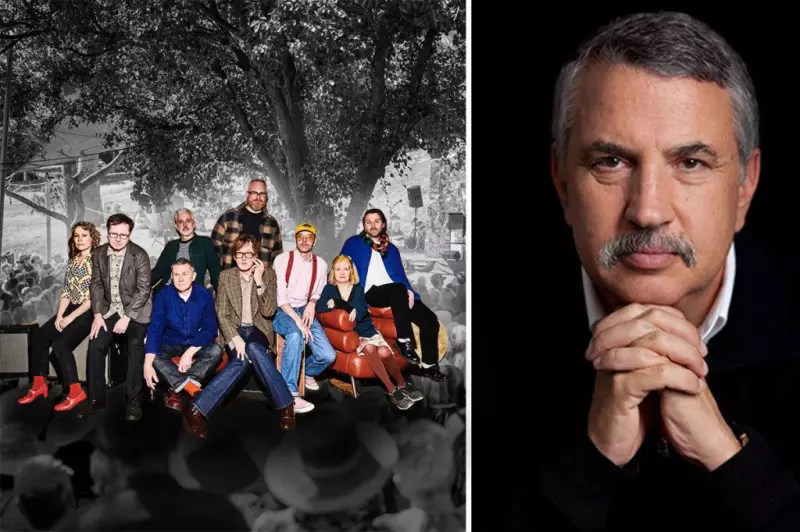
In a dramatic revelation, the iconic Britpop band Pulp has confirmed it would have pulled out of its scheduled Adelaide Festival opening night concert had the festival not issued an apology to a writer whose event was previously cancelled. The band's stance became a decisive factor in resolving the standoff, ensuring the marquee event would proceed as planned for audiences.
The festival management ultimately provided the apology demanded by the band, safeguarding the highly anticipated performance. This move by the musicians highlights the growing influence artists wield in cultural debates, using their platform to advocate for fellow creators.

Friedman Breaks Silence on Writers' Week Cancellation
In a related and significant development, New York Times columnist Thomas Friedman has broken his long-held silence regarding the controversy that erupted in 2024. Friedman was a headline author scheduled for Adelaide Writers' Week that year before his invitation was withdrawn, sparking intense national debate about censorship, political pressure, and the boundaries of literary festivals.
While the specific contents of his recent statements are not detailed in the initial report, his decision to publicly address the issue marks a pivotal moment. For nearly two years, the cancellation has been a flashpoint in discussions about the intersection of art, politics, and public discourse in Australia's cultural landscape.
Ripples Through the Arts Community
The dual announcements on January 16, 2026 underscore the lasting impact of the Writers' Week controversies. Pulp's firm position demonstrates that the repercussions extend beyond literary circles, affecting major musical acts and festival programming decisions. The band's solidarity with the affected writer sets a powerful precedent for artist advocacy.
Furthermore, Thomas Friedman's choice to now speak out suggests these events continue to resonate deeply within the global literary community. The Adelaide Festival's agreement to apologise, prompted by Pulp's ultimatum, indicates a shift towards reconciliation, though the underlying debates about programming and external pressures are likely far from over.
These events collectively signal a critical moment for Australian arts festivals, balancing artistic expression, public expectation, and complex geopolitical dialogues. The outcome of this year's festival, opening with Pulp's performance, will be closely watched as a barometer for the health of creative discourse in the country.