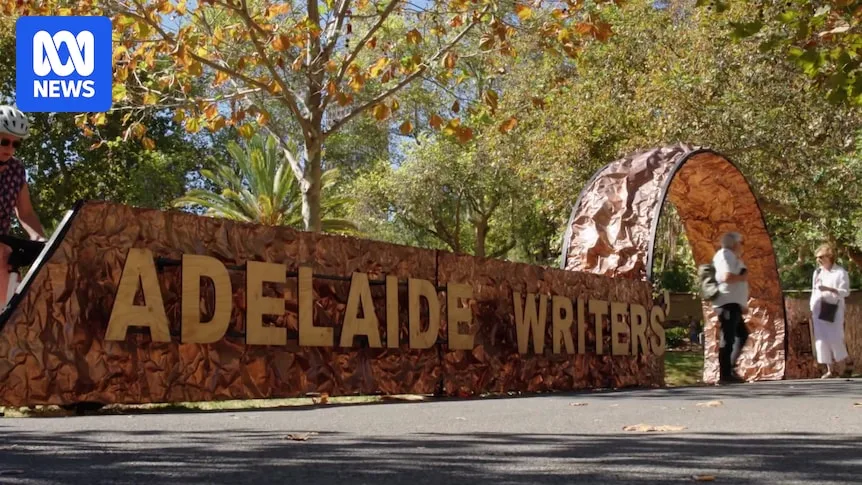
All remaining members of the Adelaide Festival board have resigned and the 2026 Adelaide Writers' Week has been cancelled following a week of escalating controversy over the decision to rescind an invitation to author Randa Abdel-Fattah.
The board had decided last week to disinvite the Palestinian Australian author from speaking at Writers' Week, citing cultural sensitivity after the Bondi Beach shooting in December. More than 180 writers subsequently withdrew from the event in protest.
In a statement on Tuesday, the board apologised to Abdel-Fattah for how the decision was represented, but said the move was not about identity or dissent but rather a shift in national discourse around freedom of expression after Australia's worst terror attack. Abdel-Fattah rejected the apology, stating the board's regret extended only to the message of her cancellation, not the decision itself.

Writers' Week director Louise Adler resigned earlier on Tuesday, saying in an open letter that she could not be party to silencing writers. The South Australian government has appointed a new festival board led by immediate past chair Judy Potter, who will hold the first meeting on Wednesday.
Arts Minister Andrea Michaels said the focus now is on running a successful Adelaide Festival, which will proceed from February 27 to March 15 without Writers' Week. Potter acknowledged the loss of the event but expressed commitment to delivering the festival.