Forget just a calendar year; 2016 has been resurrected as a full-blown cultural mood. As the clock struck midnight on 1 January 2026, social media feeds were instantly flooded with a single, unifying declaration: 2026 is the new 2016. This isn't a passing fad but a powerful wave of nostalgia, led by Gen Z, that's reclaiming the era's bold fashion, maximalist beauty, and a seemingly simpler digital life.
The Digital Time Capsule: Celebrities and Trends Lead the Charge
The movement gained serious momentum in late 2025 with the return of pop artist Zara Larsson and her Midnight Sun tour, prompting fans to rediscover her 2016 anthems. TikTok became the epicentre, with users dancing to old hits and pleading for a collective return to "2016 energy." The call was answered by the era's defining icons.
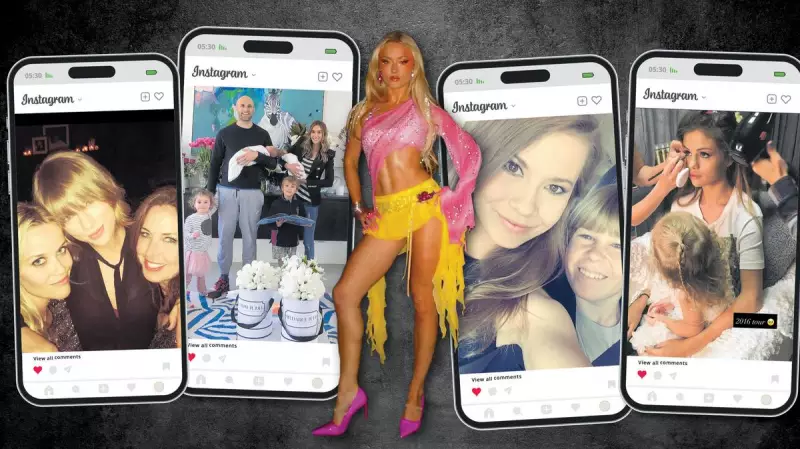
Kylie Jenner, the undisputed queen of the 2016 aesthetic, posted a 15-image carousel of throwbacks from her colourful hair and lip kit launch era, captioned simply: "you just had to be there." Her longtime best friend, Hailey Bieber, reposted a selfie and created a TikTok with Kendall Jenner and Justine Skye, lip-syncing to 2016's "I Want" by MadeinTYO, reviving their famous afterparty squad vibe.

Selena Gomez joined in, posting Revival tour memories to her Rare Beauty account with the caption, "We heard 2026 is the new 2016?" The trend spread like wildfire across Hollywood and music. From Reese Witherspoon and Demi Lovato to Charlie Puth and Joe Jonas (who posted a photo of his iconic long fringe), celebrities are collectively mining their 2016 archives.
Even Australian faces got in on the act. Perth's own Bec Judd shared family throwbacks, Miranda Kerr posted a 2016 snap with Selena Gomez, and Bindi Irwin shared heartwarming images of a younger Robert Irwin at Australia Zoo. The Dallas Cowboys Cheerleaders, Collingwood Football Club, and swimmer Emma McKeon all posted decade-old memories.
More Than Mannequin Challenges: The Fashion and Feelings Behind the Revival
According to Perth stylist and creative consultant Zara Bryson from The Peach & Pineapple Co, this obsession fits perfectly into fashion's cyclical nature. "2016 was very much a more carefree time, self-expression was much more in vogue," Ms Bryson explained. "People's style was much more bold, much more maximalist. It was louder and it was much more individual."
She confirms the trends are already resurfacing. "We're definitely seeing some of those trends from 2016 creep back into 2026," she said, pointing to a shift away from quiet luxury. Matte lips are making a comeback, alongside elements of 2016 fashion like funnel neck jackets and modern takes on slimmer, low-rise denim. Australian swimwear label Triangl has even hinted at reviving its iconic 2016 neoprene bikinis.
A Longing for Simpler Digital Times
However, digital psychologist Dr Stephanie Milford argues the obsession is deeper than fashion or beauty. She believes Gen Z is reflecting on a time that felt simpler, especially online. "2016 is probably one of the last few years where tech was simple," Dr Milford said.
She contrasts the grainy, filtered Instagram photos of 2016—"just a snapshot in time"—with today's performative reels and complex algorithms. Coupled with the seismic shifts of the past decade, including AI advances, COVID-19, and widespread burnout, the emotional pull is powerful. "The nostalgia really is around pre those events I believe, more so than the trends we saw in 2016 itself," she stated.
Ultimately, the drive to make "2026 the new 2016" is less about resurrecting chokers and blocky brows, and more about manifesting the carefree, expressive, and communal feeling that defined the era. It's a digital generation's attempt to recapture a state of mind they remember as fun, unapologetic, and just a little bit messy.