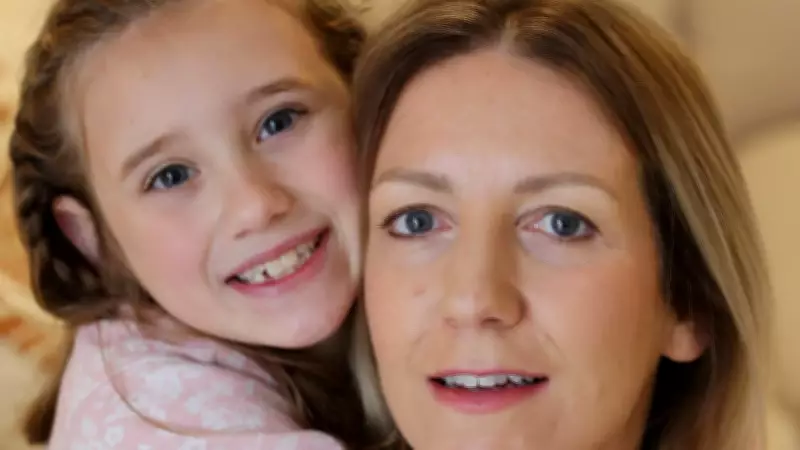
An eight-year-old boy from Geelong has become the primary carer for his mother as she battles cancer, shining a light on the critical need for support services for young carers across Australia.
Young Carer's Daily Struggles
The boy, whose name has been withheld for privacy, helps his mother with daily tasks such as preparing meals, administering medication, and providing emotional support. His mother, diagnosed with stage four breast cancer, relies heavily on her son for assistance, especially when she is too weak to move.
“He is my little superhero,” she said. “He does things no child should have to do, but he does them with a smile.”

The family’s story highlights the often invisible burden carried by thousands of young Australians who take on caring roles for parents or siblings with chronic illnesses, disabilities, or mental health conditions.
Call for Increased Support
Carers Australia estimates that there are over 235,000 young carers under the age of 25 in the country, with many lacking adequate support. The organisation has called for more funding for respite care, counseling, and educational assistance to help these children maintain their wellbeing and academic progress.
“Young carers are at risk of falling behind in school and experiencing social isolation,” said a spokesperson. “We need to ensure they have access to the resources they need to thrive.”
The federal government has acknowledged the issue and recently announced additional funding for young carer support programs, but advocates argue that more needs to be done at both state and local levels.
Community Response
The Geelong community has rallied around the family, with local charities and schools offering assistance. A GoFundMe page has raised over $20,000 to help with medical expenses and household costs.
Neighbors and friends have also stepped in to provide meals and transportation, but the family says the emotional toll remains heavy. “It’s hard to see your child grow up so fast,” the mother added. “But we are grateful for every bit of help.”
The story has prompted discussions in local schools about identifying and supporting young carers, with some implementing programs to provide extra academic and emotional support.
National Perspective
Nationally, the Young Carers Network and other advocacy groups are pushing for policy changes, including better recognition of young carers in healthcare and education systems. They argue that early intervention can prevent long-term negative outcomes such as mental health issues and economic disadvantage.
“No child should have to carry the weight of caring alone,” said a representative from the Carers Association. “We need a coordinated approach to ensure they are seen, heard, and supported.”
For the Geelong boy, the future remains uncertain. His mother’s cancer is in remission, but the family knows the battle is ongoing. Despite the challenges, the boy remains resilient, saying he just wants his mother to get better.