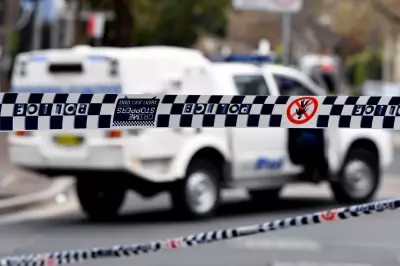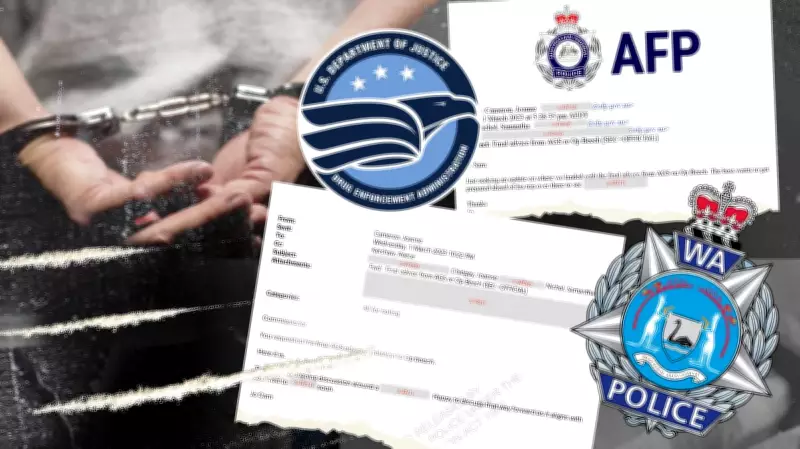
An international cocaine sting operation has sparked a bitter turf war between the Australian Federal Police (AFP), Western Australia Police, and United States law enforcement agencies. The operation, which aimed to dismantle a major drug trafficking network, instead exposed deep-seated rivalries and jurisdictional conflicts among the agencies involved.
Background of the Operation
The sting, which targeted a sophisticated cocaine smuggling ring operating between South America and Australia, involved months of planning and coordination. However, tensions emerged early on, with each agency vying for control over the investigation and subsequent arrests. Sources close to the operation revealed that the AFP and WA Police clashed over who should lead the local response, while US agents insisted on maintaining a central role due to the international scope of the network.
Key Points of Contention
- Jurisdictional Disputes: The AFP argued that as the federal agency, it had primary authority over international drug trafficking cases. WA Police countered that the crimes occurred within their state and thus fell under their jurisdiction.
- Information Sharing: US agents reportedly withheld critical intelligence from their Australian counterparts, fearing it would be mishandled or leaked. This lack of transparency hampered the operation and led to missed opportunities.
- Arrest Strategies: Disagreements over the timing and method of arrests caused further friction. Some agencies favored a simultaneous global takedown, while others advocated for a phased approach to gather more evidence.
Impact on the Investigation
The turf war significantly impacted the effectiveness of the sting. Several high-value targets managed to evade capture due to delays and miscommunication. Additionally, the infighting has strained relationships between the agencies, potentially affecting future collaborations. An internal review has been launched to address the issues and recommend improvements for joint operations.

Reactions from Officials
AFP Commissioner Reece Kershaw expressed disappointment over the lack of cooperation, stating that "the success of such operations relies on trust and unity of purpose." WA Police Commissioner Col Blanch acknowledged the tensions but emphasized the need for a "single, coordinated approach" in future endeavors. US officials declined to comment publicly, but sources indicate that they are reviewing their protocols for international partnerships.
Broader Implications
This incident highlights the challenges of multi-agency operations in an increasingly globalized crime landscape. Experts warn that without better coordination, criminal networks will continue to exploit jurisdictional gaps. The case has prompted calls for a national task force dedicated to streamlining inter-agency cooperation on transnational crime.
As the fallout continues, the agencies involved are working to rebuild trust and ensure that future operations are not compromised by internal rivalries. The cocaine sting, while successful in seizing significant quantities of drugs and arresting some key figures, will be remembered as a cautionary tale of how turf wars can undermine even the most well-planned operations.