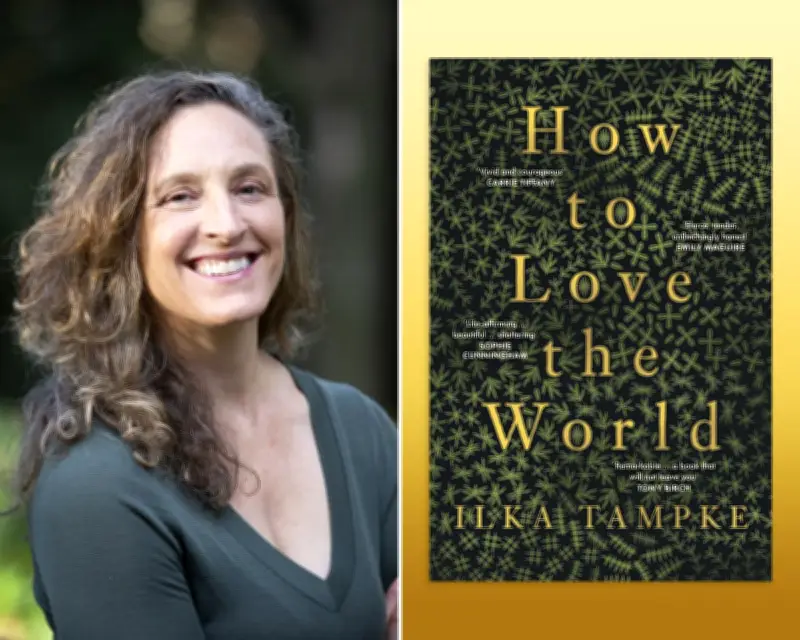
Ilka Tampke’s latest novel, How to Love the World, is a deeply moving exploration of love, loss, and the intricate connections between humans and the natural world. Set against the backdrop of the Australian landscape, the story follows a woman grappling with the death of her mother while discovering the healing power of place and memory.
A Story of Grief and Rediscovery
The protagonist, a middle-aged woman, returns to her childhood home after her mother’s passing. There, she confronts not only her grief but also the unresolved tensions of her past. Tampke’s prose is lyrical and evocative, painting vivid pictures of the bushland that becomes a character in its own right. The novel weaves together themes of environmental stewardship, familial bonds, and the slow process of coming to terms with loss.
Lyrical Prose and Deep Emotion
Tampke, known for her earlier works like Skin and Daughter of the Earth, once again demonstrates her mastery of language. Her sentences are carefully crafted, rich with metaphor and sensory detail. The emotional depth of the narrative is palpable, as the protagonist navigates memories of her mother and the land they both loved. The novel’s structure alternates between present-day struggles and flashbacks, creating a tapestry of time that mirrors the layered nature of grief.

Nature as a Central Character
One of the most striking aspects of How to Love the World is its portrayal of the natural environment. Tampke’s descriptions of the Australian bush are not just backdrops but integral to the story’s emotional core. The protagonist’s journey toward healing is intertwined with her reconnection to the land, which her mother had cherished. Through gardening, walking, and observing wildlife, she finds solace and a renewed sense of purpose. This ecological theme resonates strongly in an era of climate anxiety, offering a gentle reminder of the restorative power of nature.
Character Development and Relationships
The novel also delves into the protagonist’s relationships with her estranged siblings and a childhood friend who re-enters her life. These interactions are nuanced, revealing the complexities of family dynamics and the ways in which people change over time. Tampke avoids easy resolutions, instead presenting authentic, sometimes painful, exchanges that lead to gradual understanding. The dialogue is natural, and each character feels fully realized, with their own motivations and flaws.
A Thought-Provoking Read
How to Love the World is not a fast-paced thriller but a contemplative novel that rewards patience. It invites readers to slow down and reflect on their own connections to place and people. Tampke’s exploration of love – romantic, familial, and for the Earth – is both tender and profound. The book’s title itself poses a question that resonates long after the final page: how do we love a world that is fragile, flawed, and ever-changing?
Conclusion
With How to Love the World, Ilka Tampke has crafted a beautiful, heart-wrenching novel that celebrates the resilience of the human spirit and the enduring power of love. It is a must-read for fans of literary fiction and anyone seeking a story that speaks to the soul. This book will linger in the mind, urging readers to cherish the world around them.