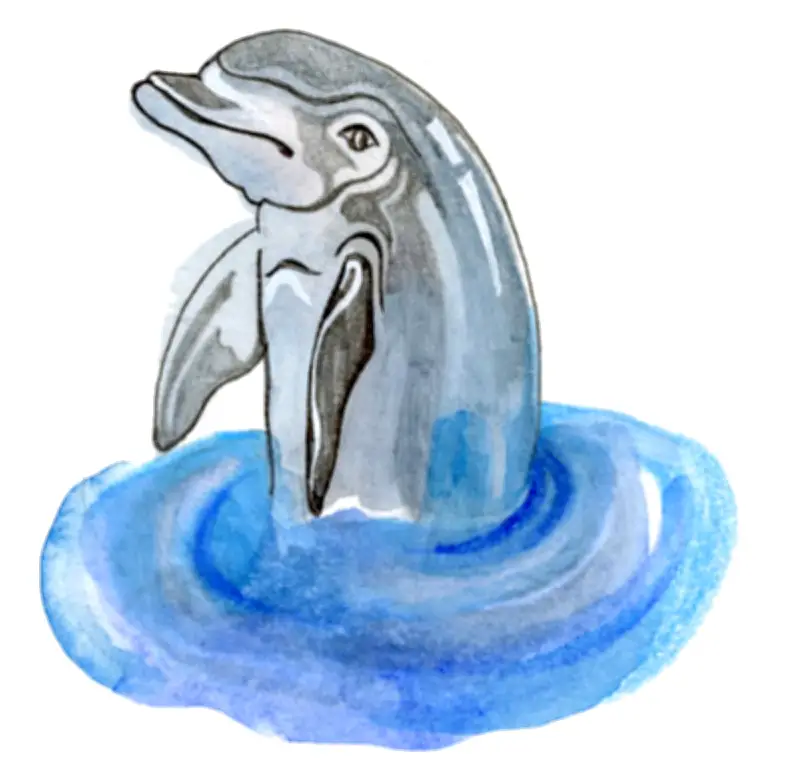
Dolphin Blowholes: A Marvel of Evolution
Dolphins are mammals, not fish, and they breathe air through a specialized organ called a blowhole. Located on top of their head, the blowhole is a muscular flap that opens to let air in and out when the dolphin surfaces. According to marine biologists, the blowhole is actually a modified nostril that has migrated to the top of the skull over millions of years of evolution. This adaptation allows dolphins to breathe with minimal exposure above water, reducing the risk of predation.
When a dolphin dives, the blowhole seals tightly shut to keep water out. The dolphin can hold its breath for up to 15 minutes, depending on the species, and can dive to depths of over 300 meters. The blowhole is not just a simple hole; it contains a complex system of muscles and cartilage that enables precise control. Dolphins also use their blowhole to produce sounds for echolocation, as air is forced through nasal passages near the blowhole.
How Fast Do Clouds Travel?
Clouds move at varying speeds depending on wind conditions at their altitude. On average, clouds travel at about 30 to 40 miles per hour (48 to 64 kilometers per hour), but this can range from less than 1 mph in calm conditions to over 100 mph in strong jet streams. Meteorologists measure cloud speed using satellite imagery and ground-based observations. For example, cirrus clouds, which form at high altitudes, can move faster than low-lying stratus clouds because they are carried by stronger winds.

The speed of clouds is important for weather forecasting. Fast-moving clouds often indicate an approaching storm, while slow clouds suggest stable weather. The kids' quiz also highlights that cloud speed can be estimated by watching their shadows on the ground. If a cloud's shadow moves quickly, the cloud itself is moving fast.
Fun Facts for Curious Kids
The quiz includes other fascinating facts, such as the fact that a dolphin's blowhole can expel air at speeds of up to 100 miles per hour, helping to clear water and debris. Additionally, clouds are made of tiny water droplets or ice crystals, and their white color comes from scattering sunlight. The quiz encourages children to observe nature and ask questions, fostering a love for science.