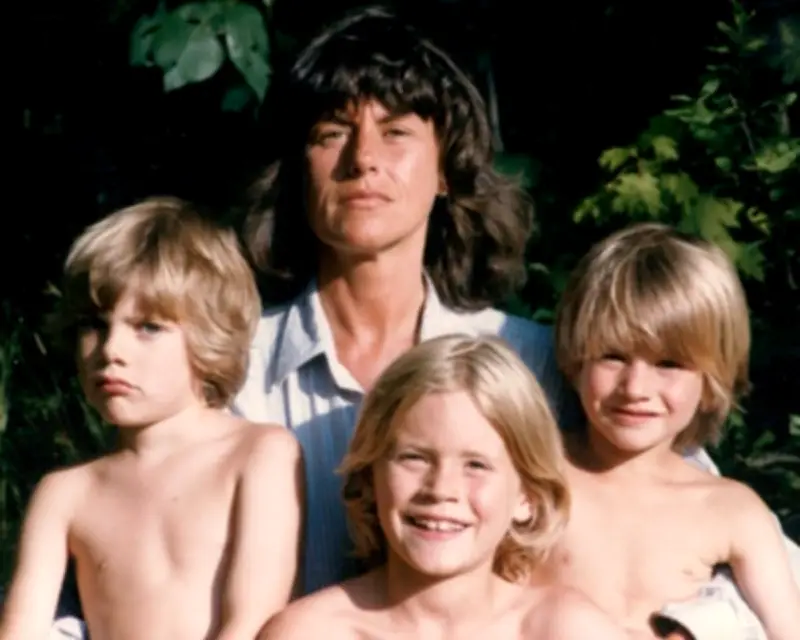
Zayd Ayers Dohrn's new memoir, Dangerous, Dirty, Violent, Young, offers a deeply personal account of growing up as the child of two prominent 1960s radicals: Bernadine Dohrn and Bill Ayers, key figures in the Weather Underground. The book weaves together family history, political activism, and the complexities of inheriting a revolutionary legacy.
A Childhood Shaped by Revolution
Dohrn's parents were leaders of the Weather Underground, a radical leftist group that carried out bombings in protest of the Vietnam War. After going underground in 1970, they resurfaced in 1980 and eventually surrendered to authorities. Dohrn was born in 1977, during their years in hiding. The memoir explores the tension between his parents' political ideals and the demands of raising a family in secrecy.
The title, Dangerous, Dirty, Violent, Young, is drawn from a Weather Underground manifesto, and the book examines how those labels shaped Dohrn's identity. He writes about the constant fear of being discovered, the makeshift aliases, and the eventual transition to a more conventional life.

Political Legacy and Personal Reflection
Dohrn does not shy away from the contradictions of his upbringing. He reflects on the violence his parents advocated and the moral ambiguities of their cause. According to Dohrn, the memoir is not an apology but an attempt to understand the human cost of radicalism. He quotes his father saying, “We were young and thought we could change the world. We didn't think about the consequences.”
The book also touches on the broader context of the 1960s and 1970s, including the civil rights movement and the anti-war protests. Dohrn argues that while the Weather Underground's methods were extreme, their motivations were rooted in a desire for justice. However, he acknowledges the pain caused by their actions, stating, “I grew up with the weight of a revolution that never quite happened.”
Critical Reception and Impact
Early reviews have praised the memoir for its honesty and literary merit. Critics note that Dohrn's writing is both intimate and analytical, offering a rare glimpse into a world that has often been romanticized or demonized. The memoir adds a new dimension to the history of the American left, highlighting the personal struggles of those who lived through it.
As Dohrn writes, “My parents' story is not just theirs; it's a piece of American history that we are still trying to understand.” The book serves as a reminder that the children of revolutionaries must grapple with legacies they did not choose.