Essential Books by Afghan Women Writers: Voices of Resistance and Reclamation
In the face of institutionalised erasure, the written word becomes a profound act of resistance. Recent literature by Afghan women powerfully challenges this silencing, serving as a vital means to reclaim agency and voice. Ayesha Jehangir highlights how these works defy oppression and assert presence through compelling narratives.
The Power of Writing as Defiance
Writing emerges as a critical tool for Afghan women to counteract systemic attempts to erase their stories and experiences. Amid political and social upheaval, literature provides a platform to document realities, express dissent, and preserve cultural identity. This literary movement transforms personal and collective struggles into enduring testimonies of resilience.
Five Essential Books to Explore
The following books are essential reads that capture the diverse voices and experiences of Afghan women writers:

- "The Shadow of the Crescent Moon" by Fatima Bhutto – A novel exploring the lives of three brothers in a Taliban-controlled region, with female characters navigating love and loss under strict regimes.
- "A Thousand Splendid Suns" by Khaled Hosseini – Although by a male author, this book centres on Afghan women's resilience, but works by women like Home Fire by Kamila Shamsie offer direct female perspectives.
- "The Bookseller of Kabul" by Åsne Seierstad – A non-fiction account that, while by a foreign journalist, amplifies Afghan women's stories through intimate portrayals of family life.
- "I Am Malala" by Malala Yousafzai – Though Pakistani, this memoir resonates with Afghan women's fights for education and rights, inspiring similar narratives.
- "The Pearl That Broke Its Shell" by Nadia Hashimi – A novel interweaving the stories of two Afghan women across generations, highlighting themes of survival and empowerment.
Reclaiming Agency Through Literature
These books are not just stories; they are acts of reclamation. By putting pen to paper, Afghan women writers assert their agency, challenging stereotypes and offering nuanced portrayals of their lives. This literary output fosters global awareness and solidarity, turning personal narratives into political statements.
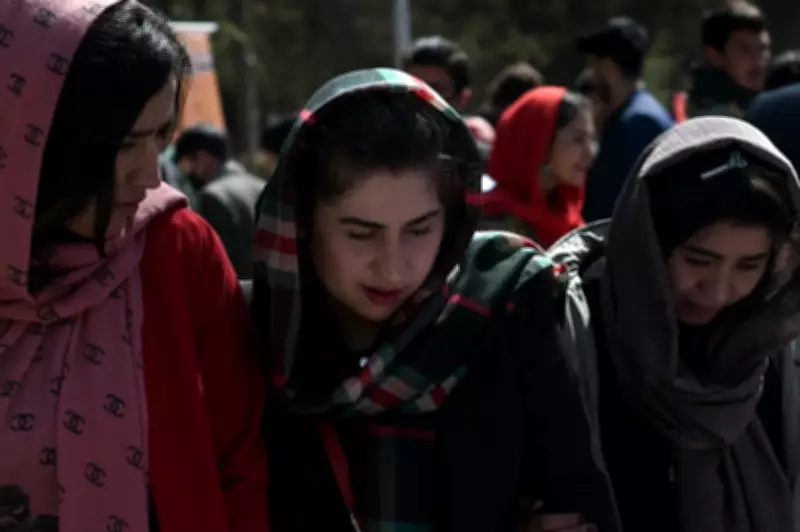
As seen in events like International Women's Day at Kabul University in 2020, before the Taliban's return, public engagement with books symbolised hope and resistance. Today, these essential reads continue to inspire, educate, and empower, proving that even in darkness, voices can roar on the page.