Visitors and staff navigating the labyrinthine corridors of Australia's Parliament House are often given one peculiar piece of advice: don't rely on the artworks to find your way. The portraits and paintings have a habit of shifting location, just as you commit their positions to memory.
The Hidden Workshop and Its Rotating Treasures
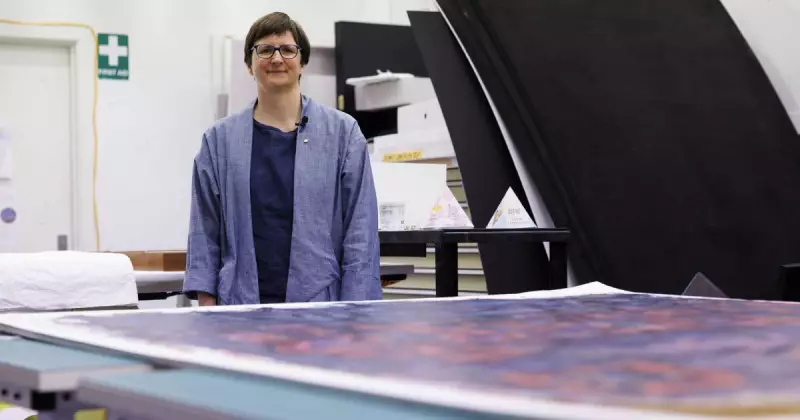
This phenomenon is not a trick of the light, but the result of a meticulous, behind-the-scenes operation. Penny Grist, the Director of Art Collections at Parliament House, leads a dedicated team of just over 20 staff from a workshop buried deep within the building's basement, far from public view.
The core of their work is a precise rest and rotation plan. Most artworks are taken down from display every three years to spend time in a dark, climate-controlled storage space. This crucial 'rest' period helps preserve the integrity of the pieces, from historic canvases to modern sculptures.

"Sometimes we just change things, to change the experience of that place," Ms Grist explains. This practice harks back to the original purpose of the parliamentary art collection: to enrich the daily environment for the thousands of people who work within the building's walls.
With approximately 5000 works in the entire collection, the team has an enormous palette from which to choose. The range is vast, spanning from Tom Roberts' iconic 1903 painting, 'The Big Picture,' depicting the first sitting of federal parliament, to contemporary pieces like an intricately painted eight-inch surfboard titled 'Making Waves' by Stephen Bowers and Peter Walker.
Masterpieces and Meticulous Care
Among the collection's highlights is the breathtaking Great Hall Tapestry, a favourite of Ms Grist's. This monumental work, a recreation of an Arthur Boyd painting, is among the largest tapestries in the world. A team of 14 weavers laboured for two years to complete the 180-square-metre masterpiece.
Eagle-eyed observers will notice a small comet near a cockatoo, a detail absent from Boyd's original. The weavers sought and received the artist's blessing to include Halley's Comet, which was passing overhead during the tapestry's creation. Twice yearly, the art team conducts a meticulous, section-by-section inspection of the tapestry, checking for moth damage and documenting the fabric's condition.
Another career highlight for Ms Grist was her involvement in the eight-year conservation project for one of Parliament's most significant documents: a 1297 Inspeximus edition of the Magna Carta. One of only four original copies in existence, it returned to public display in late 2024 housed in a custom-built preservation case designed to protect the ancient parchment, ink, and seals for generations.
The Invisible Labour of Conservation
The art workshop is a hive of quiet, precise activity. As the team recently prepared for its 'Animals in the Parliament House Art Collections' exhibition, small paper triangles marked covered artworks, signalling to staff that valuable pieces lay beneath.
Once inspected and framed, specialised art handlers transport the works to their new locations. These teams are a common sight in the halls, carefully measuring walls and installing pieces with trained skill. "The art handling team here are an extraordinary, professional crew," Ms Grist states.
Since joining Parliament House in 2023, one of the most striking revelations for Ms Grist has been the sheer scale of the unseen effort dedicated to the collection. "The conservation program is just mind-boggling," she says, noting the "thousands of hours" invested. This work remains largely invisible to the public, yet it is the engine that allows art to be seamlessly embedded into the daily life of one of Australia's most important working buildings.