Geelong's beloved and quirky waterfront bollards, which have faced deterioration from decades of sun and salt, may have found a futuristic saviour. A new proposal involving 3D scanning and printing technology could create precise replicas, ensuring the iconic artworks survive for future generations.
A Modern Solution for Heritage Art
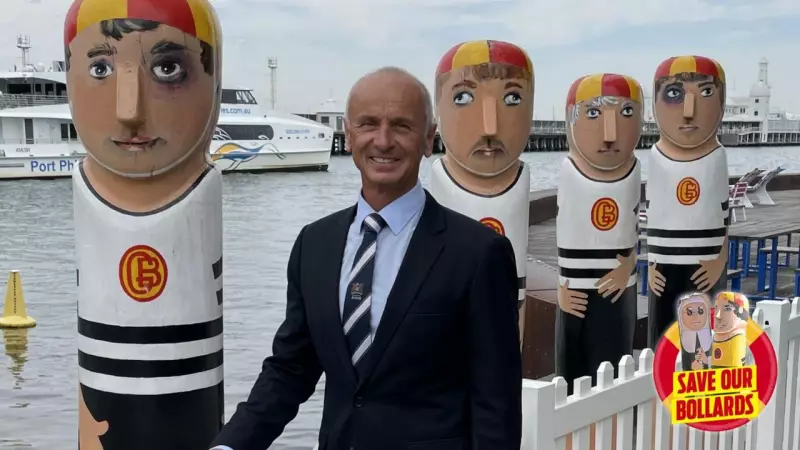
Mayor Trent Sullivan has publicly backed the innovative plan, which would see the city's famous painted timber sculptures digitally preserved. The original bollards, carved by artist Jan Mitchell from historic pier timbers starting in the mid-1990s, have become an integral part of Geelong's cultural landscape. However, their exposed location has taken a toll.
"We are looking at options around 3D scanning and 3D printing of the bollards," Mayor Sullivan confirmed. This approach would allow for the creation of exact duplicates that capture every detail of Mitchell's original work, from the expressive faces of historical figures to the intricate painted patterns on their clothing.

Preserving Jan Mitchell's Legacy
The collection of over 100 bollards depicts a colourful cast of characters from Geelong's history, including sailors, settlers, and sportspeople. Artist Jan Mitchell dedicated years to the project, with the last installations completed around 2006. The potential for 3D printing offers a way to maintain her artistic legacy without the constant and costly cycle of restoration that the aging timber requires.
While the original bollards would ideally be preserved for as long as possible, the technology provides a viable pathway for replacement once they are beyond repair. The plan represents a significant shift from traditional conservation methods, embracing digital archiving and modern manufacturing to protect public art.
Community Support and Future Steps
The mayor's announcement suggests strong council support for exploring the technological avenue. The community has long held the bollards in high affection, making their preservation a priority. The use of 3D printing could also allow for more durable materials to be used in the replicas, potentially offering better resistance to the harsh marine environment.
This initiative highlights how cities can leverage new technology to solve old problems. For Geelong, it means the charming figures that line its waterfront promenade, a major tourist drawcard, can continue to tell their unique stories. The next steps will involve detailed planning and costing to turn this innovative rescue plan into a reality.