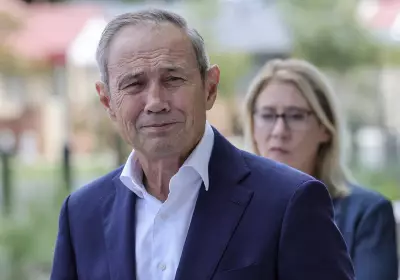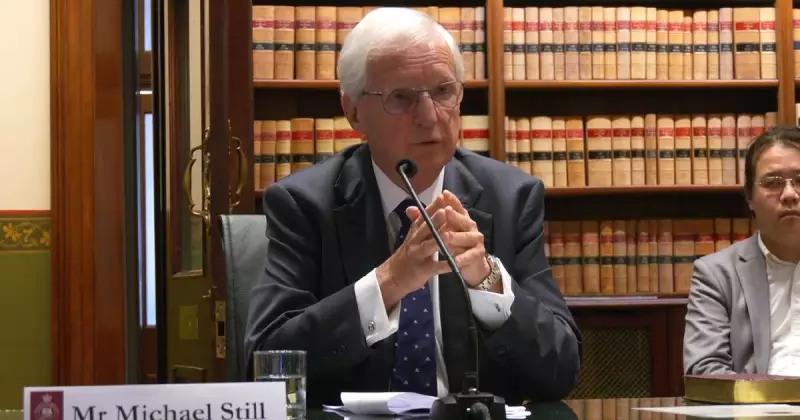
University of Wollongong Chancellor Michael Still has publicly acknowledged his conversations directly led to the resignation of former Vice-Chancellor Patricia Davidson, revealing new details during a tense parliamentary hearing.
Chancellor's Discussions Prompt Resignation
Appearing before a New South Wales parliamentary inquiry into the state's university sector on Wednesday, Mr Still confirmed his involvement in Professor Davidson's sudden departure in April 2024. While he stated she "resigned of her own accord", he admitted under questioning that "the discussions that took place with Professor Davidson over time, resulted in her resignation."
When pressed by Labor MLC Anthony D'Adam on whether he initiated talks about her resigning, Mr Still responded, "The conversation I had with Professor Davidson did include the possibility of her resigning, and she resigned." This contrasts with his public statement at the time of her resignation, where he told the Illawarra Mercury it was "something that she must have been contemplating for a while."

Council Involvement and Performance Concerns
The Chancellor told the inquiry he had spoken about the matter with "many people", including independent members of the University Council. He named Warwick Shanks, Greg West, Merran Dawson, and Nieves Murray as being among those consulted.
Mr Still cited concerns about Professor Davidson's performance and that of the senior executive as the context for their discussions. "The conversations over time were about the performance of the vice-chancellor and of the senior executive - and that is the job of the council," he stated. He argued that characterising his actions as seeking her resignation would "mischaracterise" the situation.
Wave of Departures and Leadership Changes
The inquiry heard that Professor Davidson's exit was part of a broader exodus of senior staff at UOW. For the first time, the university conceded that some departures were instigated by leadership. Mr Still revealed that interim vice-chancellor John Dewar "moved some people on" as part of a perceived need for renewal.
"The senior people that resigned, or were moved on, were either that way by the interim vice-chancellor, not by me," Mr Still said. He explained that Professor Dewar approached him about the need for significant changes within the executive team.
This period led to a change in delegation authority, giving the chancellor oversight of executive appointments alongside the vice-chancellor. Mr Still expressed concern over executives being appointed or removed "without process, and without the visibility of council."
Controversies: Conflicts and Ceremony Costs
Mr Still faced sharp questions about potential conflicts of interest involving Professor Dewar, who was a partner at consultancy firm KordaMentha while serving as interim vice-chancellor. UOW had engaged KordaMentha to work on its restructure. Mr Still denied the appointments were a "package deal", insisting a proper tender process was followed for the consultancy work.
He also defended the university's decision to spend $62,000 on his investiture ceremony amidst financial challenges, stating he was unaware of the cost but believed such ceremonies were a "proper procedure for a university to undertake."
In a personal revelation, Mr Still confirmed he receives no payment for his role as Chancellor, works approximately 40 hours per week, and covers his own expenses. "I'm spending my savings," he told the inquiry when asked how he could afford the position.
The hearing also uncovered that Mr Still was encouraged to put his name forward for the Chancellorship by David Gonski, the then-Chancellor of the University of New South Wales, who was acting as an adviser to UOW.
The NSW parliamentary inquiry continues to examine governance and financial management across the state's university sector, with UOW's recent leadership turmoil now a central focus.