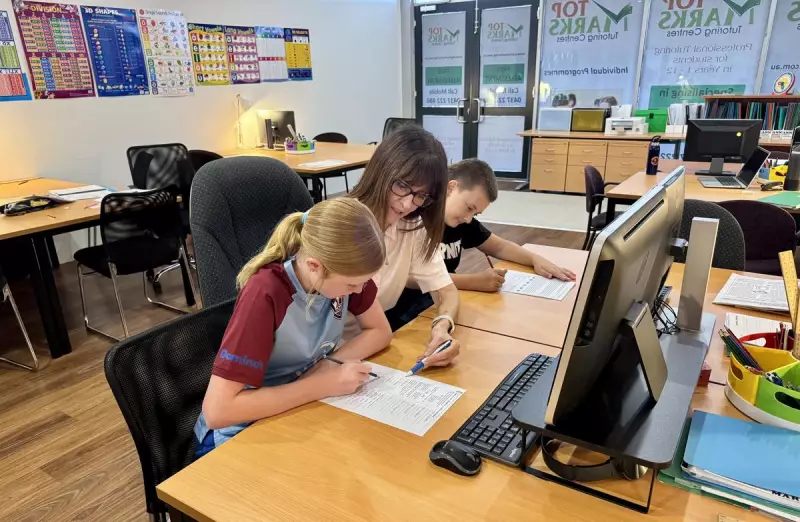
As digital classrooms and constant distractions become the norm, the students who will excel in 2026 are not those who study the longest, but those who study the smartest. This is the central insight from educational experts Trevor and Ann Spence, former school principals who now consult for Top Marks Learning Centres in Western Australia.
The Power of Short, Focused Study Sessions
Drawing on decades of experience with students, teachers, and families, the Spences have identified a clear trend: small, consistent habits consistently outperform exhausting, last-minute cramming sessions. "The habits that will matter most are small, consistent study actions, rather than long exhausting sessions," Mr Spence emphasised.
In an environment saturated with devices, the real edge will go to learners who can concentrate in brief, intense bursts and use their tools with deliberate intent. Research supports this approach, showing the brain absorbs information best when learning is broken into manageable segments. The Spences pinpoint 40 minutes of concentrated retrieval practice, followed by a short break, as the optimal method.

Active Techniques That Build Lasting Memory
Retrieval practice involves actively pulling knowledge from memory, a far more effective strategy than passive re-reading or highlighting. Techniques that force the brain to work—such as using flashcards, taking mini-quizzes, doing brain dumps, or explaining concepts aloud—significantly strengthen memory pathways.
The Spences advocate moving beyond colourful but often ineffective note-taking. Instead, they recommend methods that promote active engagement and repeated review over time. Their top evidence-based strategies include:
- Course Outline Testing: Using unit outlines as a checklist to self-assess knowledge gaps.
- Smart Notes & Cornell Notes: Framing notes as questions and answers or adding recall prompts in the margins.
- Brain Dumps: Writing down everything remembered about a topic before consulting materials.
- Social and Audio Quizzes: Studying with friends or recording practice questions to test recall audibly.
"These methods force the brain to actively process information, which significantly improves both memory and understanding," Ann Spence explained.
Building Organisation and Executive Function
In a world of AI tools and digital noise, self-management is a critical academic skill. The consultants advise building simple, sustainable routines over relying on sheer willpower. Key habits include monitoring online time, consolidating notes and homework in one place, and using a physical planner to map out commitments.
While AI can be a helpful tool for generating quiz questions or clarifying difficult ideas, the Spences caution against using it to avoid the essential work of learning. The core skills of planning, prioritising, and time-blocking are themselves strengthened through spaced retrieval practice—a technique designed to counter the brain's natural forgetting curve.
By reviewing topics across spaced intervals—for example, on day one, day three, and a week later—students can reduce pre-exam stress, minimise cramming, and cement knowledge. Each of these sessions should be kept to that crucial 40-minute window of focused effort.
The fundamental message the Spences want students to carry into the 2026 school year is that confidence stems from consistency. "Believe in yourself," Ann said. "Set small, achievable goals, stick to the habits that work and trust that consistent effort will lead to success."
Top Marks Learning Centres supports this mission with practical, research-backed tools like their 2026 Top Marks Study Skills School Diary, designed to help students plan effectively, practise spaced retrieval, and manage stress throughout the academic year.