South Australia Expands Inclusive Education Program to Combat Dyslexia Stigma
A groundbreaking project designed to promote inclusive teaching practices for students with learning difficulties, particularly dyslexia, is now being expanded across all government schools in South Australia. The initiative, known as the Different Not Differentiated program, aims to challenge long-standing stigma and provide better support for diverse learners.
Program Rollout Across Government Schools
The expansion of the Different Not Differentiated program represents a significant step forward in educational equity. Previously implemented in select schools, the program will now be available statewide, ensuring that all government school students with dyslexia and similar learning challenges have access to tailored, inclusive teaching methods.
This move is part of a broader effort by the South Australian government to address the needs of students who often face barriers in traditional educational settings. By focusing on inclusivity, the program seeks to create learning environments where every student can thrive, regardless of their learning profile.

Key Figures and Community Support
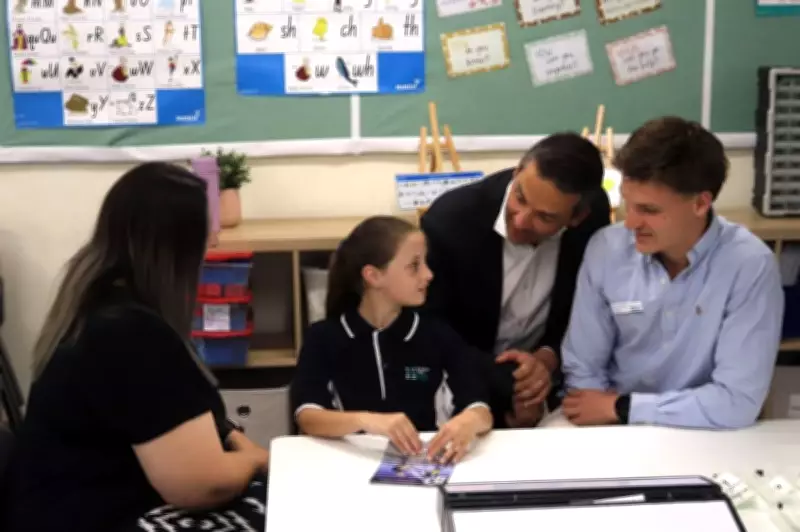
The program's expansion has been championed by key stakeholders, including Education Minister Blair Boyer, who has emphasized the importance of removing stigma and providing practical support. Community advocates like Melissa Cazzetta, along with students such as Tiana and Will Clarke, have also played crucial roles in highlighting the need for such initiatives.
Their involvement underscores the collaborative approach taken to develop and implement the program, which integrates insights from educators, families, and students themselves. This ensures that the teaching practices are not only evidence-based but also responsive to real-world experiences.
Impact on Students and Educators
For students with dyslexia, the Different Not Differentiated program offers a lifeline by shifting the focus from deficits to strengths. It encourages educators to adopt flexible teaching strategies that accommodate different learning styles, thereby reducing frustration and boosting academic confidence.
Educators will receive training and resources to effectively implement these practices, fostering a more supportive school culture. This professional development is expected to enhance teacher skills in identifying and addressing learning difficulties early, leading to improved outcomes for all students.
Looking Ahead: A Model for Inclusivity
As the program rolls out across South Australia, it sets a precedent for other regions to follow in combating dyslexia stigma. By prioritizing inclusivity, the initiative not only benefits students with learning difficulties but also enriches the educational experience for their peers, promoting empathy and understanding.
The expansion reflects a growing recognition of the need for systemic change in education, where diversity is celebrated rather than stigmatized. With continued support and evaluation, the Different Not Differentiated program could serve as a model for inclusive education nationwide.