Queensland School Leads National Charge with E-Mobility Safety Initiative
A Queensland school has become one of Australia's first educators to implement a groundbreaking safety program, addressing the alarming increase in fatal crashes involving teenagers on e-bikes and e-scooters. Parklands Christian College, located in Logan approximately 30 minutes south of Brisbane, is pioneering the Brake e-mobility program, delivering two comprehensive 60-minute lessons tailored for high school students aged 12 to 15.
Rising Injuries Prompt Urgent Action
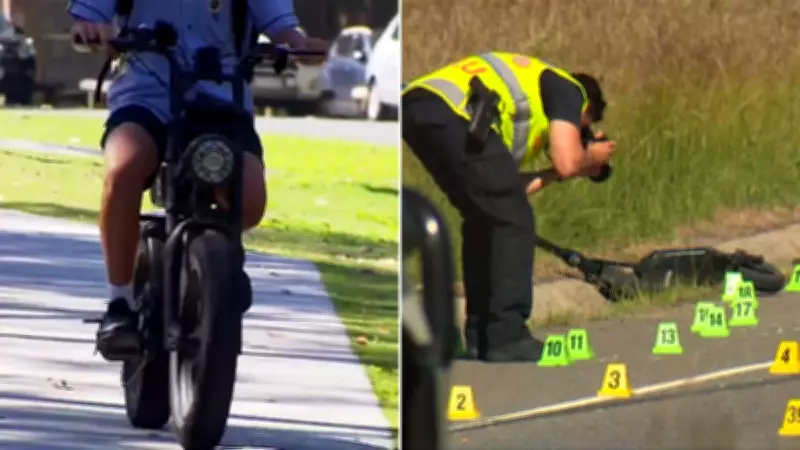
The rollout of this initiative comes as a direct response to escalating injuries and growing parental concerns across the state. In Queensland, hospital visits due to e-bike and e-scooter accidents among young people have surged by almost 50 percent over the past two years, highlighting a critical public safety issue. Experts warn that the rapid popularity of these devices is far outpacing existing safety measures, placing both riders and pedestrians at significant risk.
During a typical Year 10 class session, Brake Driver Awareness trainer Josh Duncan observed a striking trend: when asked who has ridden an e-scooter or e-bike before, numerous hands shot up among the students. "We have two at home," shared Year 10 student Jasmine Booth, while Claire Stockman added, "We mainly just ride around, just have fun around our property." When questioned about safety concerns, students Jett Roberts and Eli Grigori expressed confidence, citing helmet use. However, their responses took a concerning turn when Duncan inquired about speed experiences, with one student admitting to reaching 130km/h, prompting a collective acknowledgment of the danger.

Educational Focus on Safer Decision-Making
Educators emphasize that learning these lessons in the controlled environment of a classroom is far safer than on the road. The program is designed to equip teens with essential skills, including how to handle peer pressure, understand legal responsibilities, scan for hazards, and recognize blind spots. Rather than instilling fear, the focus is on fostering safer decision-making. "The onus is on providing education, providing infrastructure, providing the right legislation and the right awareness and kids can do this safely," Duncan explained.
This adaptation marks a significant evolution for the Brake program, which has been operating in schools for two decades, primarily preparing students for driving cars. For the first time, it has been specifically tailored to address electric mobility devices, with plans to expand the lessons nationally. The overarching goal is to arm teenagers with the skills and awareness necessary to ride e-bikes and e-scooters safely, make smarter choices, and prevent accidents.
Mixed Responses from Schools and Authorities
Parklands Christian College acting principal Charlotte Kruger affirmed the school's commitment to the initiative, stating, "We do believe that e-scooters and e-bikes are here to stay." In contrast, other institutions such as Coolum, Noosa, and Sunshine Beach schools have opted to ban e-scooters and e-bikes entirely for travel to and from school. At Parklands, however, there are no plans for a prohibition; in fact, teachers even use e-scooters to navigate between classes, showcasing a proactive approach to integration.
The urgency of this issue is further underscored by enforcement actions, with Queensland police issuing over 2000 fines for improper use of e-bikes and scooters in 2025 alone. Tragic incidents, including a recent e-scooter collision at an intersection that resulted in a fatality, highlight the severe consequences of inadequate safety measures. As e-scooters and e-bikes continue to gain popularity among teenagers, this pioneering program aims to set a new standard for safety education, potentially saving lives and reducing injuries across Australia.