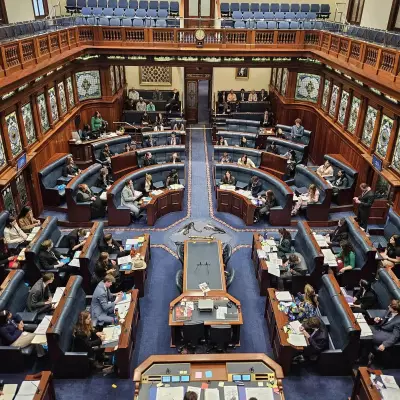
Two additional members of the Australian National University (ANU) council have stepped down in the wake of former foreign minister Julie Bishop's resignation, intensifying scrutiny of the university's governance.
Resignations follow Bishop's exit
The resignations come just days after Ms Bishop, who served as the council's chancellor, announced she would be leaving the position. The latest departures include Professor Genevieve Bell and Dr Andrew Tink, both of whom cited concerns over the direction and management of the university.
Governance concerns raised
In their resignation letters, the departing members expressed unease about the council's decision-making processes and the lack of transparency in key appointments. Professor Bell, a distinguished anthropologist and former Intel executive, highlighted the need for a more inclusive and strategic approach to university leadership.

Dr Tink, a former NSW Liberal MP and historian, echoed these sentiments, stating that the council's recent actions had undermined its credibility. He specifically pointed to the controversial appointment of a new vice-chancellor as a catalyst for his decision to resign.
University responds
An ANU spokesperson acknowledged the resignations and thanked the departing members for their service. The university stated that it remained committed to good governance and would undertake a review of its council operations to address any concerns raised.
The spokesperson also noted that the council would continue to function effectively with its remaining members and that plans were in place to fill the vacancies through a transparent selection process.
Broader implications
The series of resignations has sparked debate about the governance of Australia's leading universities. Some experts argue that the ANU's situation reflects a broader trend of tension between academic independence and corporate-style management in higher education.
Others suggest that the departures may lead to a shift in how university councils are structured and operate, potentially paving the way for more diverse and accountable leadership models.
The ANU council is now operating with reduced membership, but the university assures that all critical functions and decisions will continue without disruption.