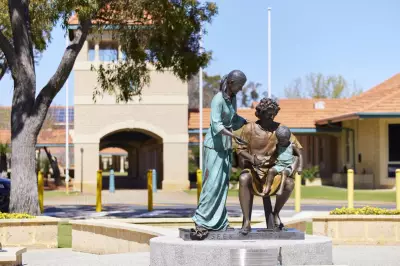
Historic South Australian School House Faces Demolition, Sparking Community Dismay
In a move that has sent shockwaves through the local community, a historic school house in South Australia is now facing the threat of demolition, with bulldozers poised to erase a piece of the region's educational and architectural heritage. The announcement has ignited a wave of dismay among residents, heritage advocates, and former students who are rallying to save the cherished landmark from destruction.
Background and Significance of the School House
The school house, which dates back to the late 19th century, has stood as a silent witness to generations of students and teachers, embodying the rich history of education in South Australia. Originally constructed to serve a rural community, it has evolved over the decades, adapting to changing educational needs while retaining its original character. Its architectural features, including classic sandstone walls and timber beams, are considered prime examples of early Australian school design, making it a valuable cultural asset.
Over the years, the building has played a pivotal role in the social fabric of the area, hosting not only classrooms but also community events, local meetings, and cultural gatherings. For many long-time residents, it represents more than just a structure; it is a repository of memories and a symbol of community resilience. The potential loss of this historic site has therefore struck a deep chord, with many expressing fears that its demolition would erase an irreplaceable part of South Australia's heritage.

Reasons Behind the Demolition Plans
The decision to demolish the school house stems from a combination of factors, primarily driven by development pressures and economic considerations. According to sources, the property has been deemed unsuitable for modern educational use due to aging infrastructure and high maintenance costs. Additionally, there are plans for redevelopment in the area, which could involve new residential or commercial projects that require the land.
Local authorities have cited safety concerns and the need for progress as key justifications for the demolition. They argue that preserving the building would require significant financial investment, which may not be feasible given current budgetary constraints. However, critics counter that these reasons overlook the cultural and historical value of the site, suggesting that alternative solutions, such as adaptive reuse or heritage listing, have not been adequately explored.
Community Response and Advocacy Efforts
In response to the demolition threat, a grassroots movement has emerged, with community members banding together to voice their opposition. Petitions have been circulated, garnering hundreds of signatures from locals who are calling for the immediate halt of demolition plans. Heritage organizations have also stepped in, highlighting the school house's eligibility for heritage protection under state regulations.
Advocates are pushing for a thorough assessment of the building's historical significance, urging authorities to consider preservation options that could integrate the old structure with new developments. They emphasize that demolishing such landmarks not only erases physical history but also diminishes community identity and pride. Some have proposed turning the school house into a museum, community center, or educational facility, arguing that this would honor its past while serving future generations.
Broader Implications for Heritage Conservation
This situation reflects a larger issue facing many historic sites across Australia, where rapid urbanization and economic pressures often clash with conservation efforts. The case of the South Australian school house underscores the ongoing struggle to balance progress with preservation, raising questions about how societies value their historical assets.
Experts warn that without stronger protections and community engagement, more heritage buildings could face similar fates, leading to a loss of cultural diversity and historical continuity. They call for increased awareness and policy reforms to ensure that historic sites are given due consideration in planning processes, rather than being sacrificed for short-term gains.

Looking Ahead: What's Next for the School House?
As the debate intensifies, all eyes are on the local government and developers to see how they will proceed. Community meetings and public consultations are being organized to discuss the future of the school house, with hopes of finding a compromise that respects both historical preservation and modern needs.
For now, the fate of the historic South Australian school house hangs in the balance, with bulldozers waiting in the wings. The outcome will not only determine the survival of this particular landmark but also set a precedent for how heritage is valued and protected in the region. As one advocate poignantly stated, "Once it's gone, it's gone forever—we must act now to save this piece of our shared history."