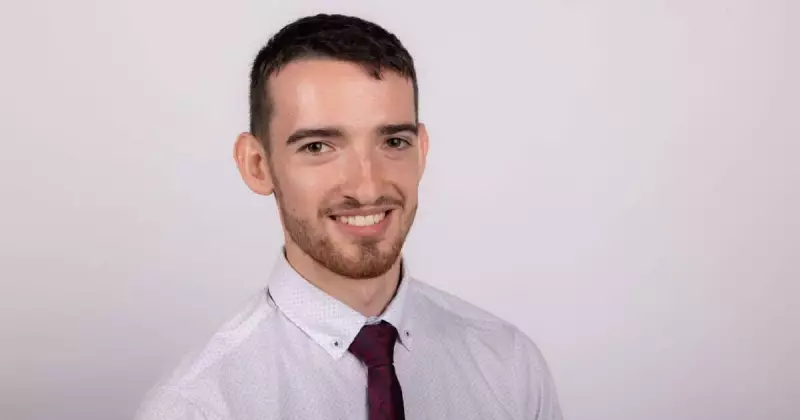
For James Bow, a mechanical engineering student at the University of Wollongong, trying to complete his schoolwork without a personal computer felt like a constant, frustrating delay. He describes it as being perpetually hungry but forced to wait for a restaurant to open.
The Reality of Digital Poverty in Australian Schools
During his school years, James's family faced significant financial hardship, making it impossible to afford essential items like a computer. To complete assignments, he relied on staying late to use school library computers or waiting for his local library to open. His experience is not unique, as new data reveals the severe pressure many Australian families face with escalating education costs.
Children's education charity The Smith Family surveyed over 1100 supported families and found more than half were worried their children would miss out on digital devices due to cost. Alarmingly, more than 85 per cent expressed concern about affording all necessary school items for the year.

These findings are echoed by research from the NSW Council of Social Service (NCOSS). Their 2024 report showed that three-quarters of low-income households had cut back on spending for their children, with 46 per cent unable to afford required educational resources.
The Lifelong Impact of Educational Disadvantage
Doug Taylor, Chief Executive Officer of The Smith Family, emphasised that digital devices are now fundamental for secondary students. A lack of access can prevent full participation in education, creating ripple effects that limit future career opportunities.
"Research tells us that by year 9 a student who experiences disadvantage can be four to five years behind their peers in literacy and numeracy," Mr Taylor stated. He highlighted that one in six Australian children live in poverty, which directly impacts their educational progress.
Financial data underscores the scale of the challenge. A survey by product comparison service iSelect suggests the average back-to-school spend in New South Wales is $2575. Separate research estimates the total cost of a public school education in regional NSW at nearly $95,000.
A "Game-Changing" Intervention and a Path Forward
For James Bow, the turning point came when he began receiving support through The Smith Family during high school. He calls the intervention "honestly game-changing." Knowing that a stranger had invested faith in him created a powerful sense of accountability.
This support propelled James from achieving average marks to becoming the dux of Airds High School in year 12. His childhood struggles directly inspired his career choice in mechanical engineering; as a boy, he reasoned that designing and creating things could prevent his family from going without.
While his future career path is still taking shape, James's ultimate goal is to give back and help others. His story coincides with the launch of The Smith Family's Back to School Appeal, which seeks sponsors to help more children access its Learning for Life program.
In the Illawarra and Shoalhaven regions alone, the Learning for Life program supported approximately 3140 students and partnered with around 50 schools during the 2024-25 period. The charity is urging public support to ensure more students like James can overcome digital poverty and achieve their full academic potential.