Why ACT School Speed Zone Signs Are Shorter Than Others
In the Australian Capital Territory (ACT), drivers may notice a distinct feature on the roads near schools: the speed zone signs are notably shorter than those used in other states and territories across Australia. This design difference is not a random choice but a deliberate decision rooted in urban planning principles and safety considerations.
The Design Rationale Behind the Shorter Signs
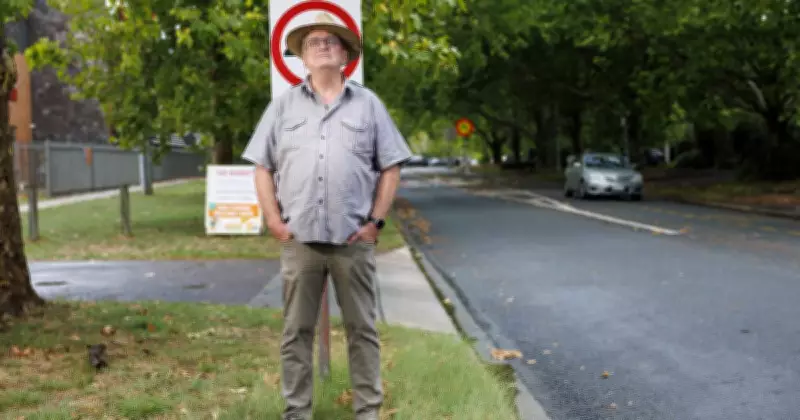
The ACT government has opted for shorter school speed zone signs, typically standing at around 1.2 metres in height, compared to the taller versions, often exceeding 2 metres, seen in places like New South Wales or Victoria. This reduced height is primarily intended to enhance visibility in the ACT's unique urban environment. With many schools located in densely built-up areas, shorter signs are less likely to be obscured by trees, buildings, or other street furniture, ensuring that drivers can easily spot them from a distance.
Moreover, the shorter design aligns with the territory's focus on pedestrian-friendly infrastructure. By keeping signs at a lower profile, the ACT aims to minimise visual clutter on streetscapes, creating a cleaner and more accessible environment for walkers and cyclists, especially children commuting to and from school.

Safety and Compliance Implications
Despite their smaller stature, these signs are fully compliant with national road safety standards. They feature the same bold yellow background and black text as their taller counterparts, clearly indicating reduced speed limits during school hours. The ACT government asserts that the effectiveness of a speed sign is not solely dependent on its height but on its placement, colour, and legibility.
Studies conducted by transport authorities in the ACT suggest that the shorter signs have not compromised safety. In fact, by being more integrated into the urban fabric, they may encourage drivers to be more attentive to their surroundings, potentially reducing speeding incidents in school zones. However, some critics argue that taller signs could offer better long-distance visibility on open roads, though this is less relevant in the ACT's predominantly urban settings.
Comparison with Other Jurisdictions
Across Australia, school speed zone signs vary in design:
- New South Wales and Victoria: Often use taller signs, around 2 to 2.5 metres high, to ensure visibility on highways and rural roads.
- Queensland and South Australia: Employ a mix of heights, adapting to local conditions.
- ACT: Consistently uses shorter signs, reflecting its compact city layout and emphasis on urban aesthetics.
This diversity highlights how regional factors, such as population density and road types, influence traffic management strategies. The ACT's approach is tailored to its specific needs, prioritising clarity in built-up areas over uniformity with other states.
Future Considerations and Public Feedback
The ACT government continues to monitor the performance of these signs through regular safety audits and community consultations. While most residents have adapted to the shorter signs, occasional feedback suggests that some drivers, particularly those from interstate, might initially miss them due to their lower height. In response, authorities have increased supplementary measures, such as road markings and flashing lights, to reinforce speed limits in school zones.
Looking ahead, as urban development expands and traffic patterns evolve, the ACT may review its sign design policies. However, for now, the shorter school speed zone signs remain a key feature of the territory's commitment to tailored, effective road safety solutions.