Despite the fact that 21 per cent of Australians live with a disability, many community sporting organisations still struggle to provide truly accessible and welcoming environments. A national initiative called Sport4All is now driving meaningful change across New South Wales, showing clubs and schools that significant progress often starts with surprisingly simple steps.
The Three-Step Pathway to Inclusion
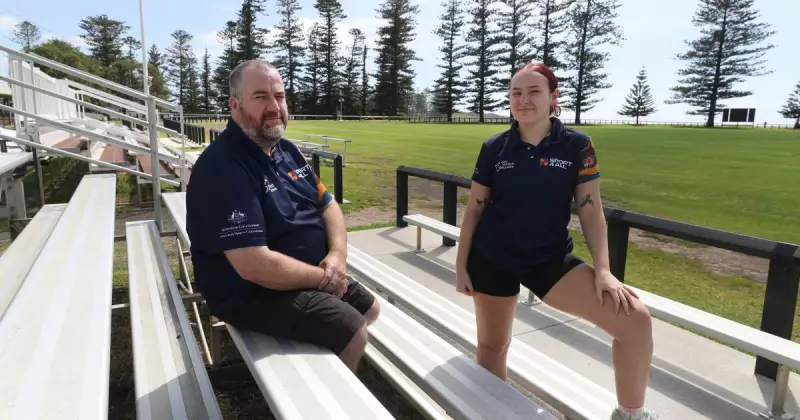
Sport4All, which operates from Victoria but has coaches embedded in communities nationwide, works directly with willing schools and clubs through a structured, three-phase approach. Mark Edwards, an inclusion coach for the Shoalhaven region, explains that the process begins with an honest assessment.
"A lot of the time, people we speak to think, 'oh, we don't know where to start,'" Edwards said. "We help to show them that there are really simple things you can do to make your club more inclusive and more accessible straight away." The initial check-in involves reflecting on current practices, physical accessibility, and setting clear goals.

Following this, the organisation provides tailored learning modules, delivered either online or in-person, to build knowledge and awareness. The final, crucial step is the creation of a practical action plan. This roadmap helps organisations achieve short-term wins—like using larger font on communications—before progressing to longer-term objectives, which can include infrastructure upgrades requiring funding.
Beyond Ramps: Changing Mindsets and Creating Community
Gefen Svirsky, an inclusion coach for the Shellharbour, Kiama, and Wollongong areas, emphasises that genuine inclusion often has less to do with expensive renovations and more to do with community mindset. "People just don't have that much communication with people with a disability, and aren't really sure what they actually need," Svirsky noted. "They just think, 'oh well, we have a ramp to the club, so we're all good.'"
The real transformation, she argues, comes from creating space—both physically and socially—for all-abilities teams and ensuring people feel genuinely welcomed in any role, whether as players, spectators, or volunteers. "It's about the community and if they have that space for an all abilities team, for example," she said.
An Inclusive Employer Driving Change
The impact of Sport4All extends beyond the fields and courts into its own workplace. The organisation has grown its team of NSW inclusion coaches from two to ten since June 2025, actively seeking staff with lived experience of disability.
For Gefen Svirsky, who has autism and ADHD, landing the role was a breakthrough after facing barriers in other employment. "It was actually a really hard thing to find employment," she shared. "You look through all of these job ads... and then you get to the 'do you have any disability' question. You don't really want to tell the truth about that."
She describes Sport4All as a "beautiful organisation" that was accepting and encouraging from the very first interview. "I hear a lot of people say 'thank you so much for just giving me the chance.' Because that's what people with disability just don't get," Svirsky said. "We want to give other people the chance to have fun and just play sport like everyone else."
Drawing on her seven-year background as a circus coach, Svirsky is now championing inclusivity in less traditional sporting areas like cheerleading, dance, and circus arts. She is actively working to establish all-abilities cheer teams in her local area, aiming to expand opportunities beyond mainstream ball sports.
The message from Sport4All is clear: building a more inclusive sporting community in NSW is an ongoing journey, but one that starts with a willingness to learn, adapt, and simply ask, "How can we do better?" For many clubs and schools, the support to answer that question is now readily available.