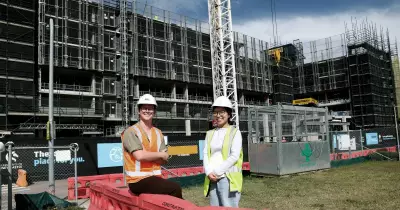
Sarah Mitchell Challenges Superyacht Funding Amid Regional Education Concerns
NSW Education Minister Sarah Mitchell has publicly questioned the allocation of federal funds for superyacht infrastructure, highlighting a stark contrast with the ongoing struggles faced by regional schools. In a recent inquiry focused on regional education, Mitchell pointed out that while millions are being directed towards luxury marine projects, many schools in rural and remote areas continue to grapple with resource shortages and inadequate facilities.
Regional Schools Face Persistent Challenges
During the inquiry, Mitchell emphasized that regional schools often deal with issues such as teacher shortages, outdated technology, and limited access to extracurricular programs. She argued that these problems require immediate attention and substantial investment to ensure equitable education outcomes across the state. The minister's comments come as part of a broader discussion on how government budgets are prioritized, with education advocates calling for more focus on foundational needs rather than high-end projects.
Superyacht Funding Under Scrutiny
The federal funding in question is part of a larger initiative to boost tourism and maritime industries, including developments for superyacht berthing and related infrastructure. Mitchell acknowledged the potential economic benefits of such investments but stressed that they should not come at the expense of essential services like education. She urged policymakers to reconsider their spending strategies, suggesting that funds could be better utilized to support schools in underserved communities.

Broader Implications for Budget Priorities
This debate touches on wider themes of government accountability and resource distribution. Critics argue that investing in luxury amenities while basic educational needs remain unmet reflects misplaced priorities. Supporters of the superyacht funding, however, contend that it stimulates local economies and creates jobs, ultimately benefiting regional areas. Mitchell's intervention has sparked conversations about how to balance economic development with social welfare, particularly in the context of post-pandemic recovery efforts.
Looking Ahead: Calls for Action
As the inquiry continues, stakeholders are calling for concrete actions to address the disparities highlighted by Mitchell. Proposals include increased funding for regional school upgrades, targeted programs to attract and retain teachers, and more transparent budgeting processes. The outcome of this discussion could influence future policy decisions, shaping how resources are allocated between high-profile projects and community-focused initiatives.