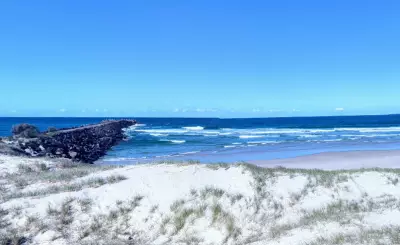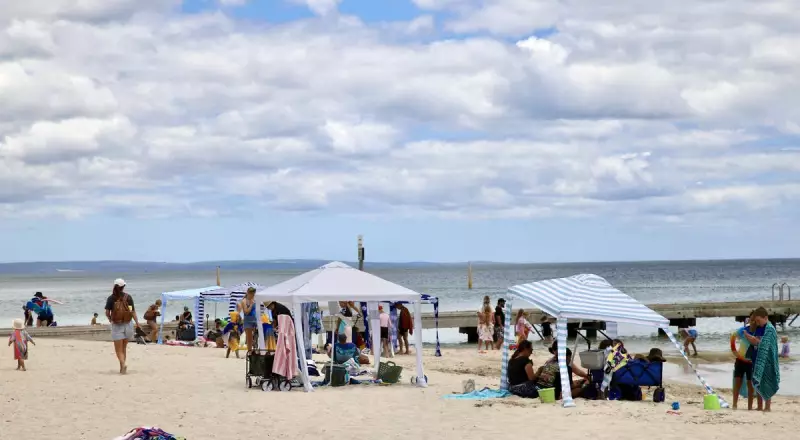
The familiar signs of a South West summer are in full swing: cabanas lining the coast, bustling footpaths outside cafes, and roads filled with holidaymakers seeking sun and surf. This seasonal surge is a boon for local economies but casts a spotlight on the mounting pressure faced by the pristine landscapes that draw visitors to the region.
Balancing Growth with Lifestyle in Busselton
City of Busselton Mayor Phill Cronin noted that this summer's crowds largely met expectations, despite a perceived increase in busyness. He attributed the feeling of congestion more to sustained population growth than a sudden tourist spike. The city's population has ballooned from 30,000 in 2011 to approximately 45,000 today, fundamentally altering the area's dynamic.
Mayor Cronin pointed to specific data, revealing that visitation numbers at the iconic Busselton Jetty surged by 20 per cent between Boxing Day and New Year's. Interestingly, he observed quieter activity at some boat ramps, potentially linked to new demersal fishing restrictions.

A significant pressure point is the proliferation of short-stay accommodation, with about 8 per cent of homes in the city listed on platforms like Airbnb. In response, the council has established six zones where new short-term rentals are now prohibited. To manage peak-season congestion, the city has also implemented designated parking changes at popular beach car parks, including Bunker Bay, to deter illegal camping.
"Tourism underpins the lifestyle people moved here for," Mayor Cronin said. "We have to share our beaches in peak periods because that's what allows us to have the amazing facilities, restaurants, and pubs that give us our lifestyle."
Regional Strain and Statewide Concerns
Further south, Shire of Augusta-Margaret River president Julia Jean-Rice reported that while visitor numbers have plateaued, relentless population growth—averaging three new residents daily—is intensifying pressure on natural attractions. Summer brings a spike in issues like human waste in public spaces, reduced beach access, and heightened bushfire risks.
The local shire has responded by increasing fines for illegal camping to $200, expanding signage, and installing variable message boards at town entrances.
The scale of visitation is underscored by state data. A Department of Biodiversity, Conservation and Attractions (DBCA) spokesperson confirmed that Leeuwin-Naturaliste National Park remains WA's most visited, recording over 5 million visits in 2024-25, with annual growth of about 7 per cent. Visits to Sugarloaf Rock have more than doubled in three years, with Canal Rocks, Cape Leeuwin, and Cape Naturaliste also seeing jumps of 30 to 40 per cent.
The spokesperson warned that overcrowding leads to illegal parking, vegetation damage, and blocked emergency access. The department's advice is clear: if a site is at capacity, visitors should consider returning at a less busy time.
Political Debate Over Tourism Funding Priorities
The infrastructure challenge has ignited a political debate. Shadow tourism minister Scott Leary has accused the State Government of neglecting regional tourism, arguing that funding remains overly Perth-centric. He contrasted a $217 million investment in a new racetrack with the struggles of regional towns facing accommodation shortages and congested roads.
In defence, a State Government spokesperson said growing visitor numbers were a positive sign of WA's strong appeal, directly supporting local businesses and jobs. They pointed to existing Destination Management Plans and a 10-year tourism strategy aimed at encouraging visitors to "travel further and stay longer" across regional Western Australia.
As the South West grapples with its popularity, the central challenge remains: managing the immediate pressures of peak season while planning for the long-term, sustainable growth that preserves the region's cherished natural assets and community lifestyle.