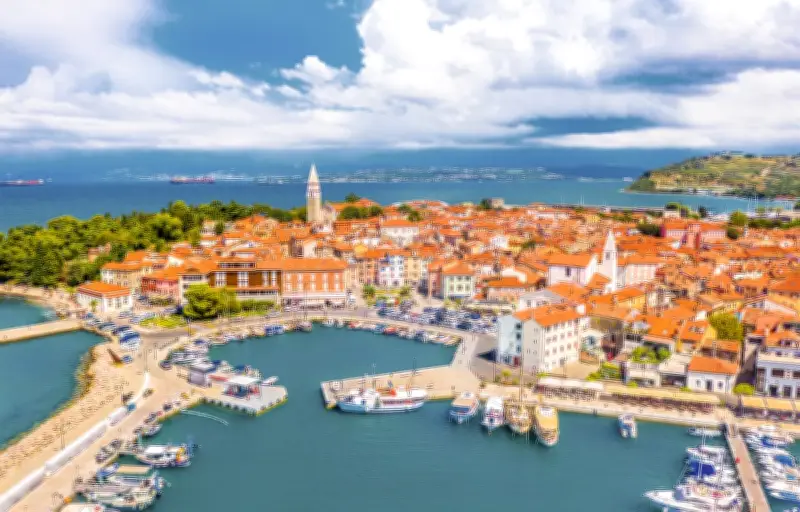
Slovenia, often overshadowed by its Mediterranean neighbours, boasts a compact but captivating coastline along the Adriatic Sea. The Slovenian Riviera, stretching just 46 kilometres, offers a blend of Italianate charm, pristine nature, and a relaxed pace that makes it an ideal summer destination. With its crystal-clear waters, historic towns, and delicious seafood, this hidden gem is gaining attention among travellers seeking an alternative to Croatia's bustling resorts.
A Coastline of Contrasts
The Slovenian coast is divided into four main towns: Koper, Izola, Piran, and Portorož. Each has its own character. Koper, the largest, features a medieval old town with a mix of Venetian and modern architecture. Izola is a former fishing village turned artists' haven, with narrow streets and a lively marina. Piran, the jewel of the coast, is a perfectly preserved Venetian port town with red-roofed houses and a bustling Tartini Square. Portorož, meaning 'Port of Roses', is the main tourist hub with sandy beaches and spa resorts.
According to the Slovenian Tourist Board, visitor numbers have increased by 15% in the past year, with many citing the coast's unspoilt beauty as a key attraction. 'We are seeing a shift in traveller preferences towards authentic, less crowded destinations,' said Maja Pak, director of the Slovenian Tourist Board. 'The Slovenian Riviera offers exactly that – a genuine Mediterranean experience without the mass tourism.'

Beaches and Water Activities
Unlike the pebbly beaches of much of Croatia, Slovenia's coast offers a mix of sandy and rocky shores. Portorož Beach is the most family-friendly, with shallow waters and plenty of sun loungers. For those seeking seclusion, the Strunjan Nature Reserve boasts a pristine beach accessible only by foot or bike. Snorkelling and kayaking are popular, with clear waters revealing a rich marine life. The coastal trail, which runs from Koper to Piran, offers stunning views and is perfect for cycling or walking.
Water quality is monitored regularly, and all main beaches have received Blue Flag status. The Slovenian Environment Agency reports that 98% of bathing waters meet excellent standards. 'We take pride in our clean sea,' said local fisherman Marko Kovačič. 'It's one of the reasons why tourists keep coming back.'
Culinary Delights
The cuisine along the Slovenian coast is heavily influenced by Italian and Istrian traditions. Seafood is a staple, with restaurants serving fresh grilled fish, squid, and mussels. Local specialities include 'brodet' (fish stew) and 'pršut' (air-dried ham). The region is also known for its wine, particularly the Malvasia and Refosk varieties. Many vineyards offer tastings with views of the sea.
According to the Slovenian Ministry of Agriculture, the coastal region produces over 2 million litres of wine annually. 'Our wines are gaining international recognition,' said winemaker Ana Vipavec. 'They pair perfectly with our seafood.'
Cultural and Historical Attractions
Beyond the beaches, the coast is rich in history. Piran's Tartini Square is named after the violinist Giuseppe Tartini, who was born there. The town's walls offer panoramic views of the Gulf of Trieste. Koper's Praetorian Palace is a fine example of Venetian Gothic architecture. Izola's Church of St. Maurus houses a collection of religious art. Throughout the summer, towns host festivals celebrating music, art, and local traditions.
The region also has a strong olive oil tradition. The Slovenian Olive Oil Association notes that the coast has over 200 olive oil producers, many offering tours and tastings. 'Our extra virgin olive oil is among the best in the world,' said producer Matej Žerjal. 'It's a must-try for visitors.'
Practical Information
The best time to visit is from June to September, when temperatures range from 25°C to 30°C. Accommodation options include hotels, apartments, and campsites. The coast is easily accessible by car or bus from Ljubljana, which is about an hour's drive away. There are also regular ferries to Venice and other Italian ports. For those flying, Trieste Airport in Italy is just 30 minutes from the coast.

Tourism officials are keen to promote sustainable travel. The 'Slovenia Green' certification scheme encourages businesses to adopt eco-friendly practices. 'We want to preserve our natural heritage for future generations,' said Pak. 'Our goal is to become a model for sustainable tourism.'