Esperance Shire Confronts Tourist-Local Tensions as Visitor Numbers Soar
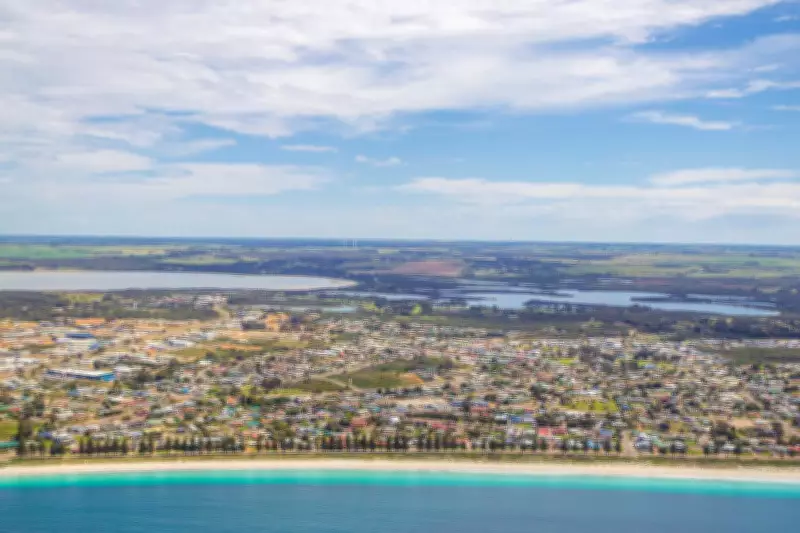
Esperance, a picturesque town located 700 kilometres south-east of Perth, is grappling with escalating tensions between its residents and tourists, as the shire acknowledges conflicts arising from record visitor numbers this summer. With tourist spending constituting a significant 15 per cent of the local economy, the balance between welcoming visitors and managing community resources has become a pressing issue.
Shire Leaders Speak Out on Tourist Behaviour
Shire deputy president Jennifer Obourne and chief executive Shane Burge have addressed the growing friction, prompted by a recent incident highlighted in the Kalgoorlie Miner. The publication detailed a confrontation involving a New South Wales couple, David and Freya Hogg, who were mistakenly accused of illegal camping on the town foreshore by a group of locals. Mr Hogg reported that one individual aggressively banged on their campervan door and challenged him to a fight, with shouts of "f… off tourists" echoing the hostility some visitors face.
Cr Obourne emphasised that while many tourists are respectful and contribute positively to Esperance, others engage in problematic behaviours. "People come down here and some of them are really respectful and those are the visitors we want," she stated. "You get other people that come down and they camp illegally in our dunes, they use the dunes for their toilet, they park up at everyone’s favourite carpark and then you’ve got to look at their washing line." These actions, she noted, have led to increased costs for ratepayers, including extra ranger patrols and daily bin emptying, which historically were not required.

Economic Impact and Community Strain
The strain on local resources is a key factor driving antagonism among some residents. Cr Obourne explained, "The ratepayer has to pay for extra ranger patrols. The ratepayer has to pay for daily emptying of the bins when it isn’t historically done daily. Seeing your pristine environment trashed by some people is the reason tourists broadly are getting a bad rap. Some locals are becoming antagonistic because it’s a very big drain on resources." Despite these challenges, she praised the efforts of local rangers this summer, noting that for the first time in seven years as a councillor, she received no complaints about tourist impacts, attributing this to effective enforcement.
Mr Burge acknowledged that additional measures are needed to curb antisocial behaviour. "You do get a bit more damage and vandalism as well during that period of time," he said. "So . . . I can understand that there’s still some conflict there. We need to try and manage it as best that we can and so, yeah, we do need to put additional resources in like ranger support to try and assist that." The shire has collaborated with Australia’s Golden Outback on a tourism campaign promoting positive visitor behaviour, which won an award at the 2025 Mumbrella Travel Marketing Awards in Sydney.
Tourist Perspectives and Future Implications
Mr Hogg expressed hope for improved treatment of tourists in Esperance, warning that negative experiences could deter future visitors and harm the local economy. "Just because we come into your town doesn’t mean we’re all going to trash the place, and it doesn’t mean that we’re all there to be disrespectful and camp for free in carparks," he remarked. "Tourists bring in a lot of income to the town and the town doesn’t want to have that sort of reputation of being a place that’s not welcoming of tourists. I want them to wake up to themselves and realise that you’re not doing yourselves or your town any favours by behaving in a manner like that towards people that are bringing in income and providing jobs to your town."
As Esperance continues to attract record numbers, the shire remains focused on fostering a harmonious environment. With ongoing efforts to balance economic benefits from tourism with community well-being, leaders are committed to implementing strategies that encourage respectful behaviour while addressing the concerns of locals.