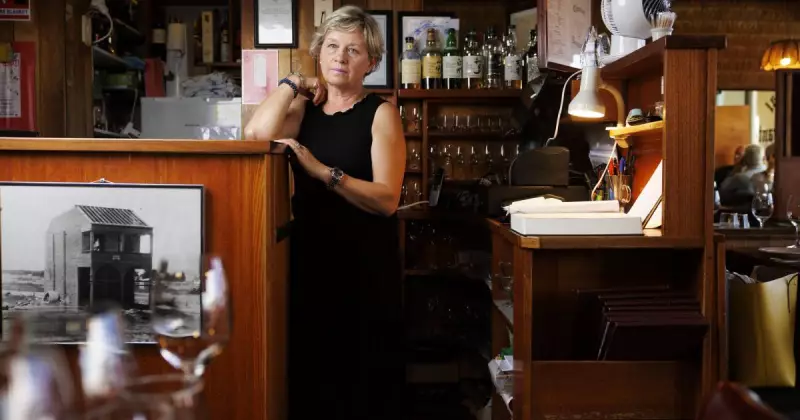
Canberra's Iconic Charcoal Restaurant Battles for Survival Amid Light Rail Disruption
For decades, the Charcoal Restaurant on London Circuit has been a beloved dining institution in the heart of Canberra. Now, this culinary landmark faces an uncertain future as light rail construction creates significant challenges for long-established local businesses. Owner Anna Gray has expressed deep concerns about how long the restaurant can continue operating under current conditions.
A Family Legacy Threatened
Chris Windsor from Yarralumla recently visited the restaurant with family members, noting that four generations of their family have enjoyed meals at this Canberra icon. "Our food and service were both excellent," Windsor reported, while acknowledging that access to the Civic location has become more difficult due to transportation changes. The family's experience highlights how multiple generations of Canberrans have created memories at this establishment, making its potential loss particularly poignant for the community.
Other longtime patrons echo these sentiments. Alastair Bridges from Wanniassa recalls first dining at the restaurant in the late 1960s during his engagement. "When there was nowhere else to get a good meal," he remembers fondly. Bridges expresses sympathy for Gray's situation and suggests that the restaurant's struggles reflect broader changes in Canberra's dining landscape and accessibility issues.

Light Rail Construction Creates Financial Hardship
The $577 million light rail stage 2A project has become a focal point of concern for business owners along its route. Leon Arundell from Downer argues that the construction is causing significant financial hardship for established businesses like the Charcoal Restaurant. He questions whether light rail represents the best public transport solution, suggesting that bus rapid transit would be faster, less expensive, and better integrated with Canberra's existing transport network.
Arundell proposes that if the government amended the stage 2A contract to favor bus rapid transit over light rail, hundreds of millions of dollars could become available to compensate affected local businesses. This perspective highlights the tension between infrastructure development and supporting existing community institutions during transitional periods.
Broader Community Concerns Emerge
The restaurant's challenges have sparked wider conversations about government responsibility toward businesses impacted by public works projects. Many letter writers question whether adequate support mechanisms exist for establishments facing disruption through no fault of their own. The situation raises important questions about how cities can balance progress with preserving valued community assets.
Beyond the immediate restaurant concerns, other correspondents address diverse issues affecting Canberra residents. These include debates about freedom of speech legislation, negative gearing reform, international relations, and rehabilitation programs at the Alexander Maconochie Centre. Together, these letters paint a picture of a community engaged with both local and national issues that shape daily life in the capital.
The Human Impact of Infrastructure Development
At its core, the Charcoal Restaurant's story represents the human dimension of urban development. While infrastructure projects promise future benefits, they can create immediate challenges for existing businesses that have served communities for generations. The restaurant's potential closure would mean more than just the loss of a dining option—it would represent the disappearance of a piece of Canberra's social fabric where families have celebrated milestones for over half a century.
As Canberra continues to evolve and grow, the fate of establishments like the Charcoal Restaurant serves as a reminder that progress often comes with costs that extend beyond financial calculations. The community's response through these letters demonstrates how deeply residents value both their city's heritage and its future development, seeking solutions that honor both priorities.