A major new tourism development is poised to inject fresh energy into Far North Queensland's economy, with a $176 million hub planned for the heart of Cairns. The ambitious project aims to capitalise on the region's $3.2 billion visitor economy and drive future growth.
A Strategic Vision for a Tourism Powerhouse
The proposed Cairns Tourism Hub forms a central part of the broader Cairns Entertainment Precinct masterplan. This initiative is designed to create a dedicated, state-of-the-art space that caters specifically to the needs of the tourism industry and its visitors. The goal is to consolidate services and create an immersive gateway for the millions of tourists who travel to the region each year.
Key figures are championing the project as a critical piece of economic infrastructure. Cairns Mayor Terry James has positioned the hub as a catalyst for long-term prosperity, emphasising its role in strengthening the local economy against future shocks. The development is seen not just as a building, but as a strategic investment in the region's primary industry.

Queensland Tourism Minister Michael Healy has also thrown his support behind the plan, highlighting the state government's commitment through the Far North Queensland Regional Tourism Strategy. This strategy identifies key infrastructure projects, like the Cairns hub, that are essential for growing the visitor economy sustainably and supporting local job creation.
Economic Impact and Job Creation
The financial and employment benefits of the project are significant. The initial construction phase of the $176 million hub is expected to generate hundreds of jobs for local tradespeople and businesses. Once operational, the facility will support ongoing employment in tourism, hospitality, retail, and administrative roles, providing a stable source of income for many Far North Queensland families.
This development comes at a crucial time. The tourism sector, a vital lifeline for the region, is steadily recovering post-pandemic and facing increasing competition from other destinations. The new hub is designed to enhance the visitor experience from the moment they arrive, encouraging longer stays and higher spending. By offering a centralised location for information, bookings, and cultural experiences, it aims to increase the overall economic yield from each tourist.
The focus is on creating a seamless journey for visitors, which in turn drives revenue for local tour operators, accommodation providers, restaurants, and attractions. The project underscores a shift from volume-based tourism to value-based tourism, seeking to attract visitors who will contribute more deeply to the local economy.
Integrating Community and Visitor Experience
Beyond its economic function, the Cairns Tourism Hub is envisioned as a community asset. Integrated within the Entertainment Precinct, it will connect with planned cultural and performing arts facilities, creating a vibrant, multi-use destination for both residents and tourists alike. This integration is key to avoiding a "tourist-only" zone and instead fostering a space that celebrates the unique character of Far North Queensland.
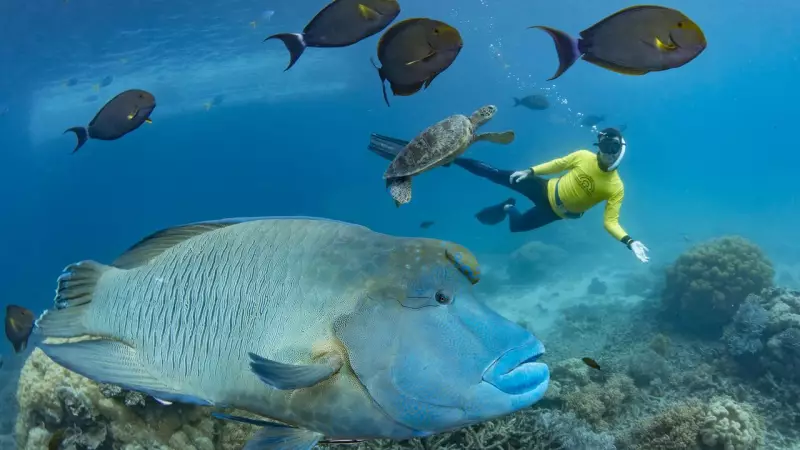
The hub's design and offerings are expected to highlight the region's unparalleled natural assets—the Great Barrier Reef and the Wet Tropics rainforest—while also showcasing Indigenous cultural experiences. This provides an authentic and educational point of connection for visitors, promoting deeper appreciation and sustainable tourism practices.
Local tourism operators have largely welcomed the announcement, seeing it as a long-awaited upgrade to the city's tourism infrastructure. A modern, purpose-built hub can improve operational efficiency for businesses and provide a collaborative space for the industry to innovate and grow together.
As the masterplan progresses, the Cairns Tourism Hub stands as a bold statement of confidence in the future of Far North Queensland. It represents a strategic partnership between different levels of government and the private sector, all aligned towards a common goal: supercharging the region's visitor economy and securing its status as a world-class destination for generations to come.