Southern Hemisphere's First 3D-Printed Home from Recycled Plastics Set for WA
A groundbreaking agreement between Hyperion Systems and Little Castle Homes is set to deliver the southern hemisphere's inaugural 3D-printed home constructed entirely from recycled plastics. This innovative project, based in Western Australia, leverages cutting-edge technology to transform household and industrial plastic waste into affordable tiny homes, offering a potential solution to both housing shortages and environmental challenges.
Game-Changing Technology and Rapid Construction
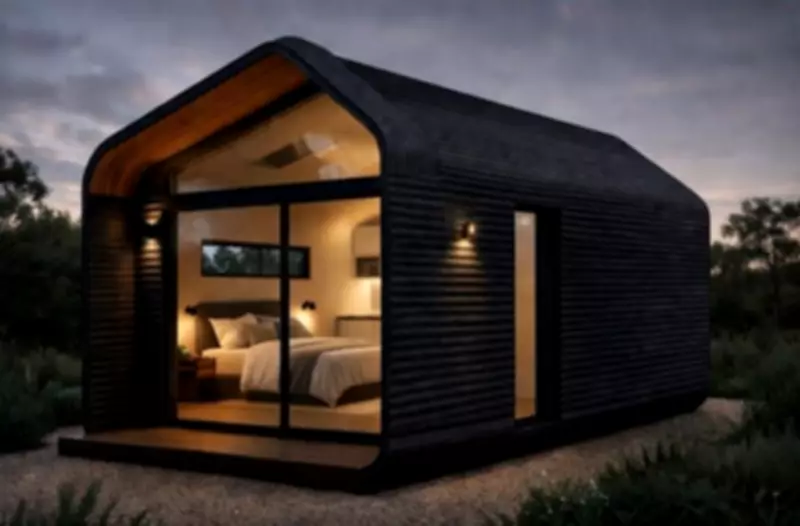
Hyperion Systems, a WA startup, has developed a revolutionary gantry-based system that heats polymer plastic strips and layers them into cabin shapes. This method allows for the construction of a 28-square-metre, one-bedroom cabin—complete with a kitchenette, bathroom, and living space—in under two days. The homes will feature high-end finishes, including fibre cement internal wall linings and double-glazed aluminium windows, ensuring durability and comfort.
Sustainability and Efficiency Benefits
Josh Wigley, chief executive of Hyperion Systems and recent winner of the innovator of the year award at the Indopacific Maritime Exhibition, highlighted the project's dual impact. "This project represents a breakthrough in how we think about construction," he said. "By using recycled plastics and advanced manufacturing techniques, we are not only reducing material waste but also significantly improving production speed and labour efficiency." The 3D printing process utilises recycled materials, which reduces environmental footprint compared to traditional methods and addresses the growing issue of plastic landfill waste.

Addressing Housing and Labour Shortages
The modular units will be manufactured off-site at Hyperion's Henderson warehouse, streamlining production and freeing up skilled labour in a market where many Perth builders report hundreds of homes stalled due to trades shortages. "By manufacturing components off-site in a controlled environment, projects can be delivered faster and with greater consistency," Mr Wigley explained. This approach not only accelerates housing delivery but also enhances quality control, making it a scalable solution for future developments.
Design and Safety Features
The cabin's design incorporates two plastic "skins," each 10-15mm wide and spaced 10mm apart, with a reinforcing structure and channels for electrical cables and pipes in between. These walls are termite-resistant, meet fire-retardancy standards, and can withstand environmental temperatures exceeding 55 degrees Celsius, ensuring safety and longevity in various conditions.
Future Implications for Sustainable Living
Mark Hughes from Little Castle Homes expressed enthusiasm for the project's broader implications. "We're not just building a tiny home differently—we're shaping how homes should be built into the future," he said. "More sustainable, more considered and making better use of what we already have. It's about creating healthier spaces and proving smaller homes can deliver a higher standard of living." This initiative marks a significant milestone in sustainable construction and Australia's advanced manufacturing sector, paving the way for more eco-friendly and efficient housing solutions nationwide.