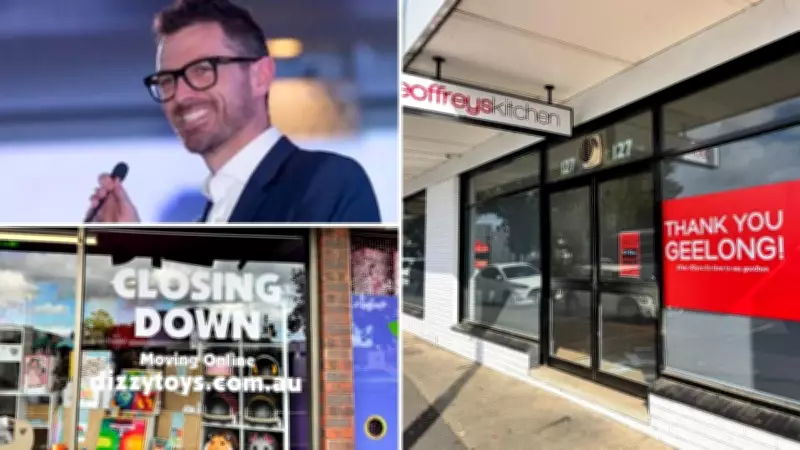
Geelong's Pakington Street Confronts Retail Exodus Amid Economic Pressures
Geelong's iconic Pakington Street is grappling with a significant retail exodus, as a wave of store closures has left numerous shopfronts vacant, sparking concerns about the future of this beloved shopping strip. Local business owners and community leaders are now rallying to address the underlying causes and implement strategies to breathe new life into the area, aiming to restore its vibrancy and economic health.
Economic Challenges Driving Retail Closures
The departure of retailers from Pakington Street is attributed to a combination of economic factors that have intensified in recent years. Rising operational costs, including rent increases and utility bills, have placed immense pressure on small businesses, making it difficult for them to sustain profitability. Additionally, the shift towards online shopping has reduced foot traffic, as consumers increasingly opt for the convenience of digital purchases over in-store visits.
Competition from larger shopping centres and suburban retail hubs has further eroded the customer base for Pakington Street establishments. These external pressures have created a challenging environment where many retailers are struggling to survive, leading to a noticeable rise in vacancy rates along the street.

Community-Led Initiatives to Revitalise the Strip
In response to the growing vacancies, local stakeholders are developing comprehensive plans to revitalise Pakington Street. Key strategies include:
- Enhanced Marketing Campaigns: Promoting the unique character and offerings of Pakington Street to attract both locals and tourists, emphasising its boutique shops and dining experiences.
- Events and Activations: Organising regular community events, such as markets and festivals, to increase foot traffic and foster a sense of engagement among residents.
- Support for Small Businesses: Providing grants, mentorship programs, and networking opportunities to help existing retailers adapt to changing market conditions and encourage new entrepreneurs to set up shop.
- Infrastructure Improvements: Investing in streetscape upgrades, including better lighting, seating, and pedestrian-friendly designs, to create a more inviting atmosphere for shoppers.
These efforts are being coordinated by local business associations in collaboration with the City of Greater Geelong, reflecting a united approach to tackling the issue. The goal is to transform Pakington Street into a dynamic destination that balances retail with leisure and cultural activities, ensuring its long-term sustainability.
Broader Implications for Geelong's Economy
The challenges facing Pakington Street are not isolated but reflect broader trends affecting retail sectors across Australia. As consumer habits evolve and economic pressures mount, urban centres must adapt to remain competitive. The success of revitalisation plans on Pakington Street could serve as a model for other struggling shopping precincts in Geelong and beyond, highlighting the importance of community-driven solutions in urban development.
Looking ahead, stakeholders remain cautiously optimistic. By addressing the root causes of retail closures and fostering innovation, Pakington Street has the potential to reclaim its status as a thriving hub, contributing to the economic and social fabric of Geelong. The ongoing efforts underscore a commitment to preserving local identity while embracing necessary changes for future growth.