Online Traders Exploit Bondi Attack Victims in Deceptive Ghost Store Scams
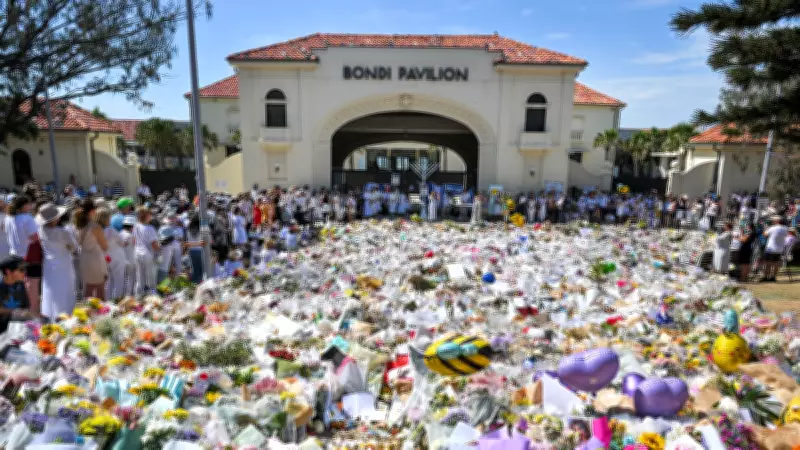
Online traders are capitalising on the emotional fallout from the Bondi Beach terror attack, with NSW Fair Trading issuing renewed warnings after a second retailer allegedly made false claims linking itself to victims of the mass-shooting in December. The watchdog has highlighted concerns about deceptive practices that prey on consumer empathy and exploit tragic events for financial gain.
False Claims and Legal Actions
Bondi United, an online clothing and accessories retailer, is accused of falsely asserting that its founders "have a connection with the Bondi Beach terrorist attack, or that the proceeds of sales have been given to the victims or their families," according to NSW Fair Trading. The company's websites, www.bondiunited.com and www.bondiproject.com, have since been taken offline. However, the site has no affiliation with the Bondi United Rugby League Football Club, which shares the same name and is pursuing legal action for copyright infringement following the watchdog's alert.
The NSW Fair Trading Commissioner remains vigilant, expressing concerns that this trader might attempt to re-establish operations under a different URL, and that other traders could adopt similar tactics. Consumers who purchased products from Bondi United are reportedly eligible for refunds upon email request, though such recourse is uncommon for victims of "ghost stores."

The Rise of Ghost Stores
Ghost stores typically masquerade as local Australian businesses undergoing closure sales of high-quality goods, but in reality, they are often based overseas and sell poor-quality, drop-shipped clothing and footwear. Australian Competition and Consumer Commission deputy chair Catriona Lowe emphasised, "This conduct preys on the empathy of consumers who have a genuine desire to support local businesses." Since early last year, the issue has grown more widespread, with hundreds of complaints alleging that ghost stores refuse refunds, offer only partial reimbursements, or fail to respond entirely.
Normally, Australians could enforce consumer rights by visiting a local store, but since many ghost stores operate internationally, standard consumer guarantees do not apply. This leaves shoppers vulnerable, with limited options for recourse beyond attempting to reverse charges through their banks, a method that is not always effective as some ghost stores do dispatch products.
Additional Cases and Consumer Warnings
Bondi United is the second online fashion retailer accused of fabricating connections to the terror attack. In January, Isla & James was identified for advertising a closure sale because co-founder James "was shot" in the attack, according to NSW Fair Trading allegations. The retailer's website, islaandjames.com, has been taken down, but authorities warn it could resurface under a new URL. The ombudsman cautioned that such traders may breach consumer law through deceptive and unconscionable conduct in goods sales.
NSW Fair Trading noted that Isla & James lacked a contact number, trading address in NSW, or any evidence of association with Bondi Beach, further highlighting the fraudulent nature of these operations. Consumers dissatisfied with interactions are urged to lodge complaints with the watchdog.
Identifying Ghost Stores
Consumer Action Law Centre legal director Stephen Nowicki explained that distinguishing ghost stores from legitimate sales can be challenging. "It becomes harder in these kinds of situations, compared to an outright scam, to know what is a genuine discount versus what someone is presenting as a discount but is actually something not worth what they are promoting it as," Nowicki said. Key indicators of ghost stores include:

- Domains ending with ".com" rather than ".com.au"
- Use of AI-generated images in advertisements
- Absence of physical addresses or contact methods beyond email
- Privacy Policies or Terms of Service referencing international regulations instead of Australian laws
Operators often target Australians via social media ads on platforms like Facebook and Instagram, rebranding with names referencing Australian suburbs, towns, or cities to appear local. The ACCC has raised the issue with Meta and e-commerce giant Shopify, which can host ghost stores, and is working to educate shoppers on these deceptive practices.