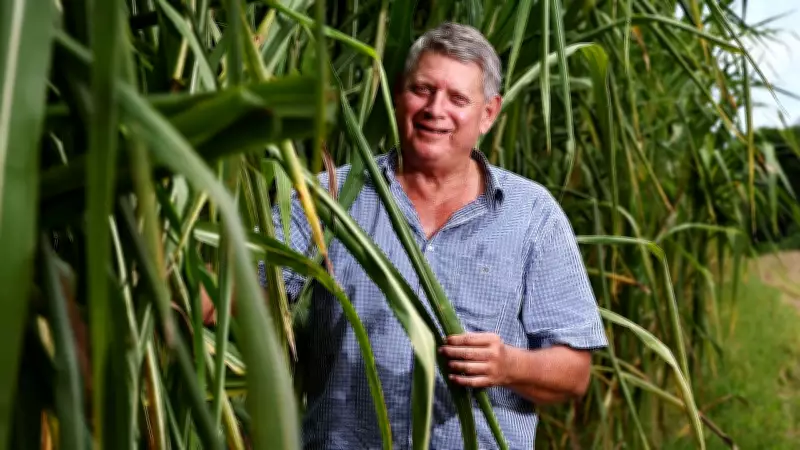
Bana Grass Hailed as Potential Savior for Mossman Farmers After Sugar Mill Closure
In the wake of the Mossman sugar mill's closure, farmers in Far North Queensland are turning to bana grass as a promising new crop to revitalize their agricultural sector. This development comes as a response to the economic challenges posed by the mill's shutdown, which has left many growers seeking alternative income sources.
Agricultural Diversification Efforts
Local farmers, supported by agricultural researchers, have initiated trials to assess bana grass's viability in the region. Early results indicate that this fast-growing perennial grass could serve multiple purposes, including biofuel production and animal fodder. The crop's adaptability to tropical climates makes it particularly suitable for the Mossman area, where sugarcane once dominated the landscape.
Experts highlight that bana grass requires less water and fewer inputs compared to traditional sugarcane, potentially reducing operational costs for farmers. This aspect is crucial as the community grapples with the financial fallout from the mill closure, which has impacted jobs and local economies.

Economic and Environmental Benefits
The shift to bana grass is seen not only as an economic lifeline but also as an environmentally friendly alternative. Its use in bioenergy could contribute to renewable energy goals, while its role in fodder production supports livestock industries. Farmers report that initial plantings have shown robust growth, with yields suggesting a sustainable future for the crop.
Community leaders emphasize that this transition is part of a broader strategy to diversify agriculture in Far North Queensland, reducing reliance on single crops like sugarcane. They note that successful adoption of bana grass could inspire similar initiatives in other regions facing agricultural disruptions.
Challenges and Future Prospects
Despite the optimism, challenges remain, including market development for bana grass products and infrastructure needs for processing. However, ongoing research and pilot projects aim to address these issues, with hopes of scaling up production in the coming years.
In summary, bana grass represents a beacon of hope for Mossman farmers, offering a path to recovery and resilience in the post-sugar era. As trials continue, the crop's potential to transform local agriculture grows, signaling a new chapter for this resilient community.