Young Women Abandon Home Ownership Dreams Amid Affordability Crisis
Young women are increasingly turning their backs on home ownership aspirations as soaring property prices and persistent wage gaps price them out of the market, according to new data from Cotality. The research highlights a significant aspirational divide between genders, with fewer than four in ten Gen Z women considering property ownership highly important, compared to nearly half of men under 29.
Gender Gap in Property Aspirations
The Cotality data reveals a stark contrast in attitudes toward home ownership across generations. Among millennials aged 30 to 45, just 58 percent of women view property ownership as highly important, while about two-thirds of men share this priority. This trend underscores the growing challenges women face in entering the housing market, exacerbated by economic pressures and changing societal expectations.
Sam Aron, a 27-year-old woman, exemplifies this shift, having decided to postpone property ownership for now. She notes that her generation often feels immense pressure to buy homes, leading many to rush into unsuitable purchases. "It's a narrative that we all grew up with," Mrs. Aron explains, "because a lot of our parents bought homes in their 20s and early 30s, and we are constantly exposed to influencers on social media who are buying their homes at a young age." However, she emphasizes that economic realities have changed dramatically, making home ownership less feasible for many young Australians.

Economic Barriers and Wage Disparities
The affordability crisis is a key driver behind this trend. According to Cotality, the average house now costs about eight to nine times the average local income, a sharp increase from three times the average income in the mid-1990s. This financial strain is compounded by wage disparities, with data from the Workplace Gender Equality Agency showing that female workers in Western Australia earn only 71 cents for every dollar earned by men. Despite celebrating International Women's Day, WA holds the shameful record for the nation's largest pay gap.
For Mrs. Aron and her husband, Jan Vohn Bilog, affordability has led them to prioritize travel over saving for a deposit. "If we were to buy now, we would only be able to afford a small home in a fringe suburb, leaving us isolated from family and friends," she says. Long commutes would further impact their quality of life, reducing time for rest, exercise, and simple pleasures. "I feel like we are going to give up so much to save for a house which might be better spent investing in ourselves," she adds, highlighting a shift toward valuing experiences over material possessions.
Alternative Paths to Property Ownership
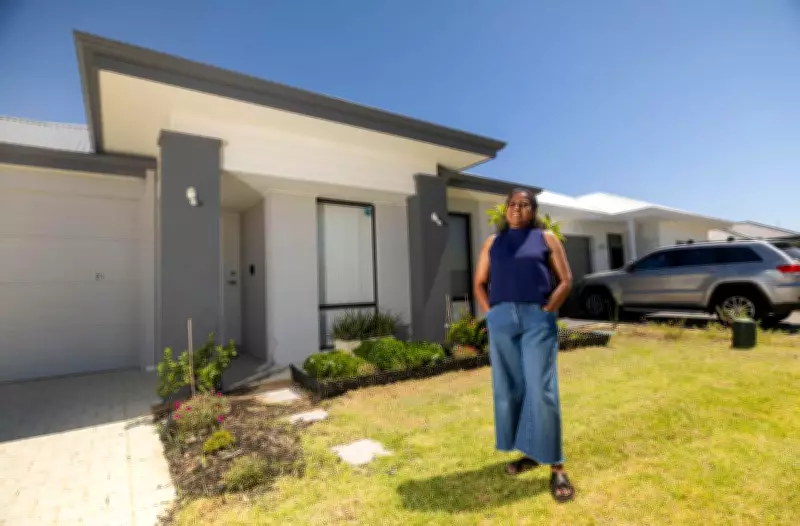
Despite these challenges, some women are finding ways to enter the property market later in life. Dineshka Hewa, for instance, struggled for a decade before buying a home in her late 30s. After the pandemic hit, she realized the importance of securing her own future and researched affordable markets, ultimately moving to Perth to build a three-bedroom home in Byford. "It was one of the best decisions I ever made," she says, though it required significant sacrifices, such as cutting back on luxuries like takeaway meals and holidays.
Ms. Hewa's experience reflects a broader transformation in gender attitudes, with Cotality data showing that women start to consider property more important than men after age 45. Her story offers hope to others, as she urges women not to give up on their dreams. "I would say to everyone to be brave and do it," she advises, noting the confidence and financial security that come with ownership.
Support Initiatives for Women
In response to these trends, organizations like Summit Homes are launching educational programs to support women in entering the property market. General manager Cameron Lade notes a rise in women, particularly divorcees, seeking advice on buying homes independently. The group plans to host annual events covering topics such as finance, renovations, and alternative ownership models like co-buying with friends or relatives. "It's about getting them thinking and setting up a plan, so they know that it's possible," he says.

As the Australian Dream becomes increasingly elusive for younger generations, these initiatives aim to empower women to navigate the complex housing landscape. While many young women are postponing home ownership, stories like Ms. Hewa's demonstrate that with perseverance and support, achieving property goals remains within reach, even if it takes longer than expected.