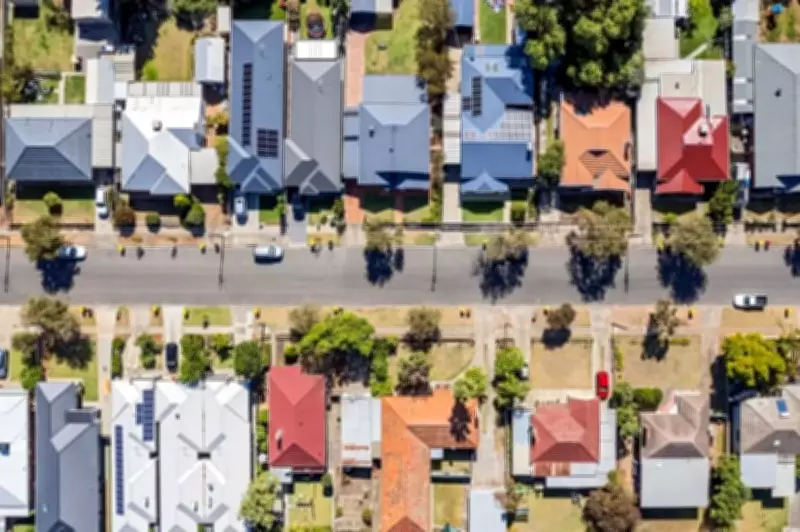
The Australian housing market is bracing for a significant downturn as the Reserve Bank of Australia's (RBA) aggressive interest rate hikes begin to take a toll on property prices and buyer demand. Economists warn that the prolonged period of monetary tightening is set to cool the once-booming market, with some forecasting price declines of up to 15 percent in key capital cities over the next year.
Rate Hikes Trigger Market Shift
The RBA has raised the cash rate by 425 basis points since May 2022, pushing it to 4.35 percent, the highest level in over a decade. These increases have severely impacted borrowing capacity, with the average mortgage repayment rising by nearly 50 percent for variable-rate borrowers. As a result, housing affordability has deteriorated, forcing many potential buyers to the sidelines and reducing overall demand.
According to data from CoreLogic, national home values have already fallen by 2.3 percent in the first quarter of 2026, with Sydney and Melbourne leading the declines. Sydney prices dropped 3.8 percent, while Melbourne saw a 3.2 percent fall. The downturn is expected to accelerate in the coming months as more homeowners struggle with higher repayments and the possibility of further rate hikes.

Impact on Homeowners and Investors
The rising cost of borrowing has placed significant financial strain on households. Mortgage stress is at record levels, with an increasing number of borrowers falling behind on their payments. The Australian Banking Association reports that the proportion of home loans in arrears has risen to 1.8 percent, up from 1.2 percent a year ago. Investors are also feeling the pinch, with rental yields failing to keep pace with higher interest costs, leading to a pullback in investment activity.
Property analyst Louis Christopher of SQM Research stated, 'The market is entering a correction phase. The RBA's tightening cycle has been too aggressive, and we are now seeing the consequences. We expect further price declines, particularly in the more expensive segments of the market.'
Economic Ripple Effects
The housing downturn is not occurring in isolation. The broader economy is also feeling the impact, with consumer spending slowing and business confidence weakening. The construction sector, which had been buoyed by a pipeline of projects, is now facing headwinds as developers delay new builds due to higher financing costs and falling demand.
Housing industry associations have called on the government to intervene, urging measures such as stamp duty relief and increased first-home buyer grants to stimulate demand. However, with inflation still above the RBA's target band, further monetary easing appears unlikely in the near term.
Outlook for 2026 and Beyond
Looking ahead, most economists predict that the housing market will continue to soften through 2026, with a recovery not expected until late 2027 or early 2028, contingent on the RBA beginning to cut rates. The International Monetary Fund (IMF) has also weighed in, warning that Australia's housing market is vulnerable to a sharp correction given high household debt levels.
For homeowners, the advice is to brace for further volatility. Those with fixed-rate mortgages coming off low rates face the greatest risk of payment shock. Financial counselors recommend reviewing budgets and seeking assistance if needed to avoid default.
The housing downturn serves as a stark reminder of the delicate balance central banks must strike between controlling inflation and maintaining economic stability. As the RBA continues its fight against inflation, the Australian dream of homeownership may become increasingly elusive for many.