WA Government Unveils Zero-Interest Loan Scheme for Nickel Miners
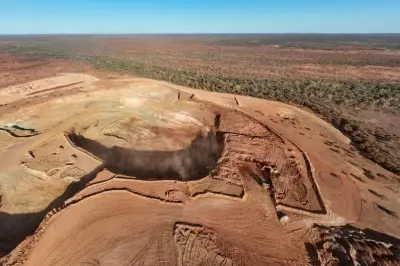
The Western Australian government has announced a significant financial intervention to support the state's nickel mining industry, which has been grappling with severe challenges due to plummeting global prices. In a bold move aimed at sustaining jobs and bolstering the critical battery metals sector, the government is offering zero-interest loans of up to $15 million to eligible nickel mining operations.
Financial Lifeline for Struggling Sector
This initiative comes as nickel producers face intense pressure from international market fluctuations, threatening the viability of mines and the livelihoods of thousands of workers across WA. The loans, which carry no interest charges, are designed to provide immediate relief to companies struggling to stay afloat, enabling them to cover operational costs, invest in efficiency improvements, and navigate the current downturn without resorting to drastic measures like mine closures or mass layoffs.
The government's strategy is clear: by injecting capital into the nickel sector, it aims to maintain production capacity and secure WA's position as a key player in the global battery supply chain. Nickel is a crucial component in lithium-ion batteries used in electric vehicles and renewable energy storage, making this support not just about mining but about future-proofing the state's economy in the green energy transition.

Eligibility and Impact on Jobs
To qualify for the loans, mining companies must demonstrate a viable path to profitability and a commitment to retaining local employment. The funds are intended for short-term stabilization, with repayment terms linked to future revenue streams, ensuring that the assistance does not become a long-term burden on taxpayers. Industry leaders have welcomed the move, noting that it could prevent the loss of up to 1,000 jobs in regional areas heavily dependent on mining.
This support package is part of a broader effort by the WA government to diversify and strengthen the state's resource economy, which has traditionally relied on iron ore and other commodities. By targeting nickel, officials hope to capitalize on growing demand for battery materials, positioning WA as a hub for sustainable mining practices and technological innovation.
Broader Economic and Environmental Context
The loan scheme also aligns with global trends toward decarbonization and the shift to electric mobility. As countries worldwide ramp up their efforts to reduce carbon emissions, the demand for nickel and other battery metals is expected to surge in the coming decades. WA's investment in this sector could yield significant long-term benefits, including increased export revenues and enhanced environmental credentials through cleaner mining technologies.
However, critics argue that such interventions risk propping up uncompetitive operations and may delay necessary industry adjustments. They caution that while loans provide temporary relief, structural reforms and market-based solutions are essential for the sector's sustainable future. Despite these concerns, the government remains optimistic, viewing the loans as a strategic tool to bridge the gap until market conditions improve.
In summary, the WA government's zero-interest loan program represents a proactive approach to safeguarding a vital industry, with implications for employment, economic stability, and the global energy transition. As the nickel market evolves, this initiative could serve as a model for other regions facing similar challenges in the resource sector.