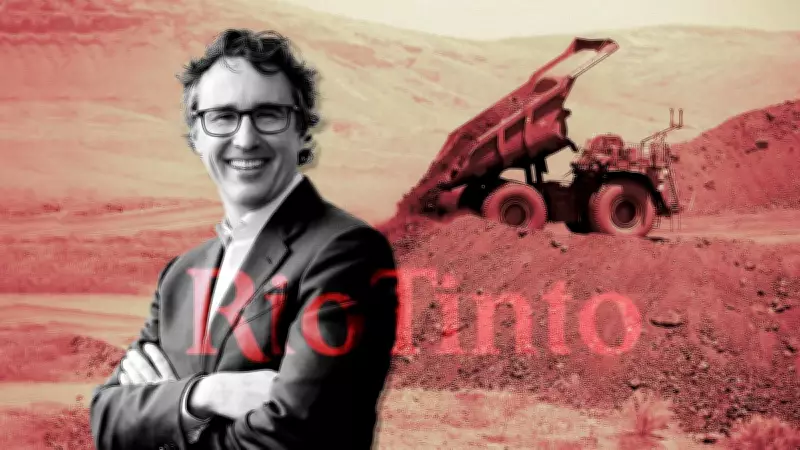
Rio Tinto CEO Simon Trott Joins BHP in Warning of Significant Union Burden on WA Iron Ore
In a development that underscores growing tensions in Australia's mining sector, Rio Tinto CEO Simon Trott has aligned with BHP in issuing a stark warning about the potential impacts of union activities on Western Australia's iron ore industry. This joint caution from two of the world's largest mining companies highlights concerns over operational costs, productivity, and the broader economic implications for the region.
Echoing Industry Concerns
Simon Trott, who leads Rio Tinto, has publicly stated that significant union burdens could pose a serious challenge to the efficiency and competitiveness of WA's iron ore operations. His comments come shortly after similar warnings from BHP, indicating a unified front among major players in the mining industry. The concerns center on potential disruptions from union negotiations, which could lead to increased labor costs and reduced output in a sector critical to Australia's economy.
The iron ore industry in Western Australia is a cornerstone of the national economy, contributing billions in export revenue and supporting thousands of jobs. Both Rio Tinto and BHP operate extensive mining projects in the Pilbara region, making their warnings particularly significant for stakeholders, including investors, government bodies, and local communities.

Potential Impacts on Operations and Economy
Key points raised by the CEOs include:
- Increased Operational Costs: Union demands could lead to higher wages and benefits, driving up expenses for mining companies.
- Productivity Challenges: Potential strikes or labor disputes might disrupt mining activities, affecting production timelines and output volumes.
- Economic Ripple Effects: Any slowdown in iron ore production could impact Australia's trade balance and GDP, given the sector's substantial contribution to exports.
- Investment Uncertainty: Heightened union activity might deter future investments in mining projects, affecting long-term growth and job creation in WA.
These warnings come at a time when the global demand for iron ore remains strong, driven by infrastructure projects worldwide. However, the industry faces pressures from fluctuating commodity prices and environmental regulations, adding complexity to the union-related challenges.
Broader Context and Industry Response
The mining sector has historically navigated union relations carefully, balancing worker rights with operational efficiency. In recent years, there has been a push for more collaborative approaches, but the current warnings suggest that tensions may be escalating. Industry analysts note that union burdens, if not managed effectively, could erode the competitive edge of Australian iron ore on the global stage.
Responses from union representatives have emphasized the importance of fair wages and safe working conditions, arguing that a sustainable industry requires equitable treatment of workers. This sets the stage for ongoing negotiations and potential policy discussions at both state and federal levels.
As the situation develops, stakeholders will be closely monitoring how Rio Tinto, BHP, and unions navigate these challenges. The outcome could have lasting effects on Western Australia's economy and Australia's position as a leading iron ore exporter.