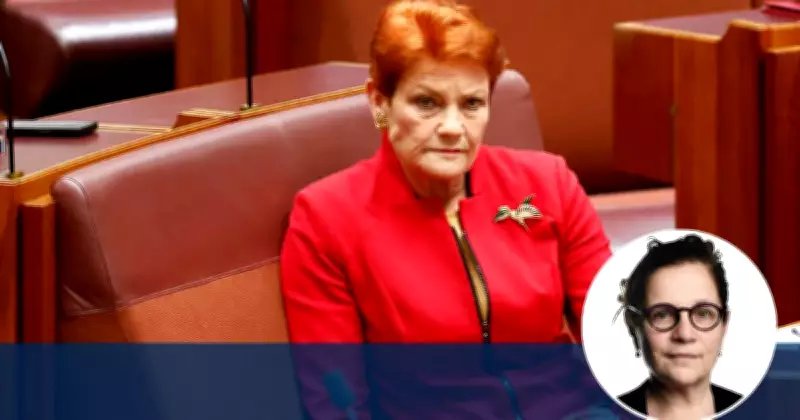
Pauline Hanson's Divisive Rhetoric Sparks Heated National Debate
Pauline Hanson, the leader of One Nation, has once again ignited a fierce national debate with her controversial and divisive rhetoric. Her recent statements have drawn sharp criticism from political opponents, community leaders, and advocacy groups, who argue that such language undermines social cohesion and fuels polarization in Australian society.
Controversial Comments and Public Reaction
Hanson's remarks, which targeted specific ethnic and social groups, have been widely condemned as inflammatory and harmful. Critics assert that her rhetoric perpetuates stereotypes and fosters an environment of intolerance, potentially inciting discrimination and hate speech. The public reaction has been swift and intense, with many Australians expressing outrage on social media and in public forums.
Supporters of Hanson, however, defend her right to free speech and argue that she is merely voicing concerns shared by a segment of the population. They contend that her comments highlight legitimate issues that mainstream politicians often ignore, such as immigration policies and national identity.

Political and Social Implications
The debate surrounding Hanson's rhetoric has significant political and social implications. Political analysts note that her ability to dominate headlines and shape public discourse reflects broader trends in global politics, where populist figures often gain traction by appealing to fears and grievances. This phenomenon raises questions about the role of media in amplifying divisive messages and the responsibility of political leaders to promote unity.
Socially, the controversy has sparked discussions about the limits of free speech in a multicultural democracy. Many argue that while free expression is a fundamental right, it must be balanced with the need to protect vulnerable communities from harm. Community organizations have called for greater efforts to promote inclusivity and combat hate speech through education and dialogue.
Historical Context and Ongoing Impact
Hanson's divisive rhetoric is not new; she has been a polarizing figure in Australian politics since the 1990s. Her resurgence in recent years, however, coincides with a period of heightened political polarization globally. Experts warn that such rhetoric can erode trust in democratic institutions and deepen societal divisions, making it harder to address complex issues like climate change, economic inequality, and public health.
The ongoing impact of this debate is likely to influence upcoming elections and policy discussions. As Australians grapple with these challenges, the conversation around Hanson's rhetoric serves as a reminder of the importance of respectful and evidence-based political discourse in fostering a healthy democracy.