Western Australian Premier Roger Cook has urged businesses and unions in the Pilbara region to resolve their differences through negotiation, as a potential strike threatens to disrupt iron ore operations. The call comes amid escalating tensions between mining companies and workers over pay and conditions, with the possibility of industrial action looming.
Premier's Appeal for Dialogue
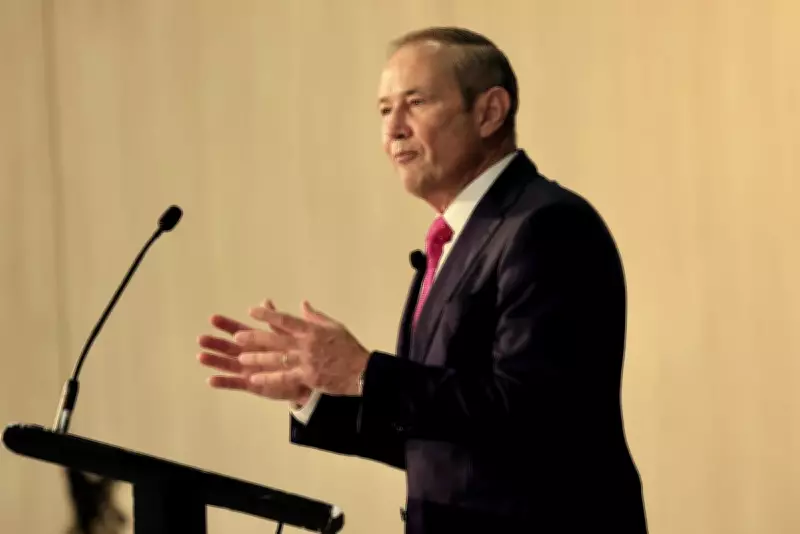
Speaking to reporters on Monday, Cook emphasized the importance of reaching a fair agreement at the negotiating table. "We want to see both sides come together and find a solution that works for everyone," he said. "The Pilbara is a critical part of our state's economy, and any disruption would have significant consequences."
The Premier's comments follow reports that workers at several major iron ore mines are considering strike action after failed enterprise agreement negotiations. The disputes center on wage increases, roster changes, and job security provisions.

Union Demands and Company Responses
The Australian Workers' Union (AWU) and the Construction, Forestry, Maritime, Mining and Energy Union (CFMMEU) have been pushing for better conditions for their members. They argue that workers deserve a larger share of the profits from the booming iron ore sector, which has seen record prices in recent years.
In response, mining companies such as BHP, Rio Tinto, and Fortescue Metals Group have stated that they are committed to good-faith bargaining but must balance worker demands with operational sustainability. A spokesperson for BHP said, "We value our workforce and are working hard to reach an agreement that is fair and reasonable."
Economic Impact of a Strike
Analysts warn that a prolonged strike in the Pilbara could have far-reaching effects. The region produces about 70% of Australia's iron ore, which is a key export earner. Any disruption could impact global supply chains and affect iron ore prices.
"The Pilbara is the engine room of the Western Australian economy," said Dr. Sarah Johnson, an economist at the University of Western Australia. "A strike would not only hurt the companies involved but also flow through to small businesses and communities that rely on the mining sector."
Government's Role
The state government has limited power to intervene directly in industrial disputes but can facilitate mediation. Cook indicated that his government is ready to assist if needed. "We encourage both parties to use the resources available, including the Western Australian Industrial Relations Commission, to find common ground," he said.
The Premier also stressed that industrial action should be a last resort. "Strikes are disruptive and can cause hardship for families and businesses. It's always better to talk things through," he added.
Previous Industrial Actions
The Pilbara has seen several labor disputes in the past, including a 2011 strike at BHP's operations that lasted several days. That action resulted in significant production losses and highlighted the vulnerability of the supply chain.
More recently, in 2020, workers at Fortescue's Cloudbreak mine voted to strike over safety concerns, though a deal was reached before any work stoppage occurred.
Next Steps
Negotiations are expected to continue in the coming weeks. Both unions and companies have expressed a willingness to avoid a strike, but significant gaps remain. The outcome will be closely watched by the mining industry and the broader Australian economy.
As the situation develops, all eyes will be on the Pilbara to see whether cooler heads prevail or if the region faces its most significant industrial action in years.