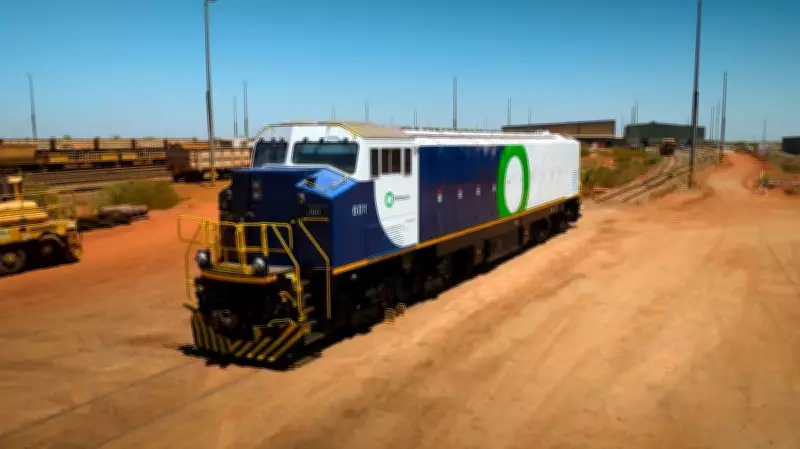
Fortescue Metals Group Initiates Electric Battery Locomotive Operations in Pilbara
Fortescue Metals Group has officially started using electric battery locomotives on its extensive Pilbara iron ore rail network, a move that signals a major advancement in the company's commitment to environmental sustainability and operational efficiency. This development represents a pivotal shift in the mining sector's approach to reducing carbon footprints and embracing cleaner energy solutions.
Transition to Sustainable Rail Transport
The deployment of these electric locomotives is part of Fortescue's broader strategy to decarbonise its operations and achieve net-zero emissions by 2030. By integrating battery-powered technology into its rail infrastructure, the company aims to significantly cut diesel consumption and lower greenhouse gas emissions associated with transporting iron ore from mines to ports. This initiative aligns with global trends in the mining industry, where there is increasing pressure to adopt greener practices and mitigate climate change impacts.
Impact on Pilbara Iron Ore Network
The Pilbara region, known for its vast iron ore deposits, is a critical hub for Australia's mining economy. Fortescue's rail network spans hundreds of kilometres, facilitating the movement of millions of tonnes of iron ore annually. The introduction of electric locomotives is expected to enhance operational reliability and reduce maintenance costs, while also contributing to improved air quality in the region. This transition could set a precedent for other mining companies in Australia, encouraging wider adoption of electric transport solutions in heavy industries.

Technological Innovations and Future Prospects
Fortescue's electric battery locomotives utilise advanced battery systems that offer longer ranges and faster charging capabilities compared to traditional diesel engines. The company has invested in research and development to ensure these locomotives meet the demanding conditions of the Pilbara, including extreme temperatures and rugged terrain. Looking ahead, Fortescue plans to expand the use of electric technology across its entire fleet, potentially incorporating renewable energy sources like solar and wind to power the charging infrastructure, further reducing its environmental impact.
Broader Implications for the Mining Sector
This move by Fortescue underscores a growing trend in the mining industry towards sustainability and innovation. As regulatory frameworks tighten and stakeholder expectations evolve, companies are increasingly prioritising eco-friendly technologies. The successful implementation of electric locomotives in the Pilbara could inspire similar initiatives worldwide, driving progress in sectors reliant on heavy transport. It also highlights the potential for job creation in green technology fields, supporting economic growth while addressing environmental challenges.
In summary, Fortescue's launch of electric battery locomotives on its Pilbara iron ore rail network marks a significant milestone in the journey towards sustainable mining. By reducing emissions and embracing cutting-edge technology, the company is not only enhancing its operational efficiency but also contributing to a cleaner future for the industry and the planet.