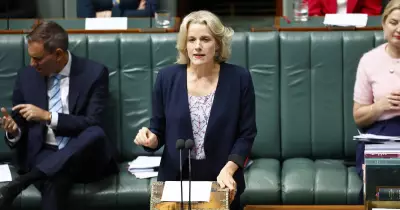
Health Insurance Premiums Set for Significant April Increase
The cost of health insurance in Australia is poised to climb once more, with the Albanese government greenlighting an average premium rise of 4.41 per cent, effective from April. This marks the largest increase since 2017 and surpasses last year's figure of 3.73 per cent, placing additional financial pressure on households across the nation.
Government Justifies Rise Amid Rising Healthcare Costs
Health Minister Mark Butler has defended the decision, attributing the hike to the escalating costs of providing medical and hospital services, which surged by 5 per cent in the last financial year. He emphasised that the premium round was guided by a commitment to maintain the value of private health insurance for Australians while ensuring the sector supports private hospitals grappling with rising expenses and significant challenges.
Butler stated, "This year's decision reinforces that premium increases must be backed by clear evidence and contribute to system-wide improvements, not just insurer balance sheets. Australians deserve transparency, fair pricing and confidence their premiums are being directed where they are needed most." He also called on insurers and hospitals to collaborate on cost-reduction efforts to minimise future price hikes.

Financial Support and Industry Response
In response to the premium rise, the Albanese government will provide $7.9 billion this year to Australian policyholders through the private health insurance rebate, following the reintroduction of indexation for the rebate threshold in 2024. Over the 12 months to 30 September 2025, insurers paid out increased benefits exceeding $26.7 billion in health, medical, and extras benefits, highlighting the growing demand for healthcare services.
The increase will vary by funds and policies, with notable examples including Medibank and NIB facing rises of over 5 per cent, while HBF sees a more modest 2.1 per cent increase. Private Healthcare Australia Chief Executive Dr Rachel David commented on the industry's perspective, noting that health funds are striving to balance affordability with the rising costs of care for an ageing population with complex chronic disease needs.
David explained, "More people are using their health insurance for high-cost hospital care such as joint replacements and cancer treatment, and the cost of delivering care continues to rise. This premium increase reflects those realities. If health funds could keep premiums the same without jeopardising their ability to pay claims, they would. The industry is acutely aware of how tough many Australians are doing it right now."
Broader Implications and Future Outlook
This premium adjustment underscores the ongoing challenges in Australia's healthcare sector, driven by factors like an ageing population and increasing medical expenses. Experts suggest that without systemic changes, such rises may become more frequent, impacting consumer budgets and access to private health services. The government's role in providing rebates aims to mitigate some of the financial burden, but the long-term sustainability of health insurance remains a critical issue for policymakers and insurers alike.
As Australians navigate these changes, transparency and fair pricing will be key to maintaining confidence in the private health system, with stakeholders urged to work collaboratively towards more affordable healthcare solutions in the future.