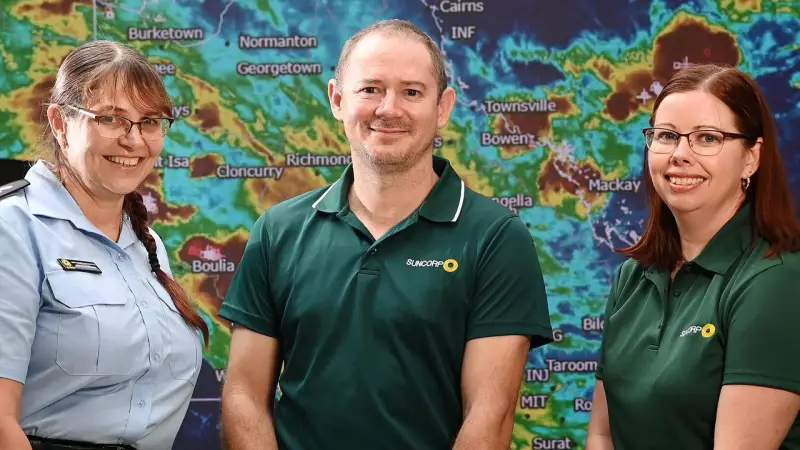
The first significant cyclone of the season, Cyclone Koji, has delivered an immediate and real-world challenge for insurance giant Suncorp, putting its newly established regional hub in Townsville through its paces. The severe weather event, which brought destructive winds and heavy rain to parts of North Queensland, served as the inaugural major test for the insurer's strategy of handling claims through a dedicated local centre.
A Local Response to a Regional Threat
In the wake of Cyclone Koji, Suncorp activated its disaster response protocols, with the Townsville hub taking a central role in managing claims from affected policyholders across the region. The company had strategically established this local presence to improve response times and provide more tailored support to communities familiar with cyclone risks. Early reports from the insurer indicate that the hub allowed for a rapid deployment of assessors and support staff to the hardest-hit areas, a critical factor in the initial recovery phase.
The cyclone, which intensified rapidly off the coast, prompted warnings and watch alerts for communities from Cardwell to Bowen. While it did not make a direct landfall at its peak intensity, Koji still delivered damaging wind gusts exceeding 100 km/h and intense rainfall, leading to localised flooding, fallen trees, and damage to property and infrastructure. This created the exact scenario the Townsville hub was designed to handle.

Testing a New Model for Disaster Recovery
Suncorp's move to bolster its regional capability in Townsville comes after years of criticism directed at the insurance industry for slow and impersonal responses following major natural disasters. By embedding teams within the community, the insurer aims to foster greater understanding and swifter action. The performance of this hub during Cyclone Koji is being closely watched as a benchmark for future disaster responses not just by Suncorp, but by the entire industry and government regulators.
Initial feedback from the first wave of claims suggested that having local staff familiar with North Queensland building styles and common weather-related damage types helped streamline the assessment process. The company reported that its teams were on the ground quickly, working to provide urgent financial assistance to customers with approved claims to help them begin repairs immediately.
Broader Implications for North Queensland
The event underscores the perennial vulnerability of North Queensland to cyclonic activity and the ever-present need for robust insurance and emergency management frameworks. The test of Suncorp's new hub is more than an operational exercise; it is a litmus test for whether a localised insurance model can genuinely improve outcomes for residents in disaster-prone zones. A successful response could pressure other insurers to adopt similar regional strategies, potentially transforming how the sector services high-risk areas of Australia.
As the clean-up from Cyclone Koji continues, the focus for Suncorp and its customers will shift to the efficiency of the claims process through to completion. The true measure of the Townsville hub's success will be in how quickly and fairly policyholders can rebuild and recover, setting a precedent for the cyclone seasons to come.