Australia's Insurance Crisis Deepens Amid Escalating Natural Disasters
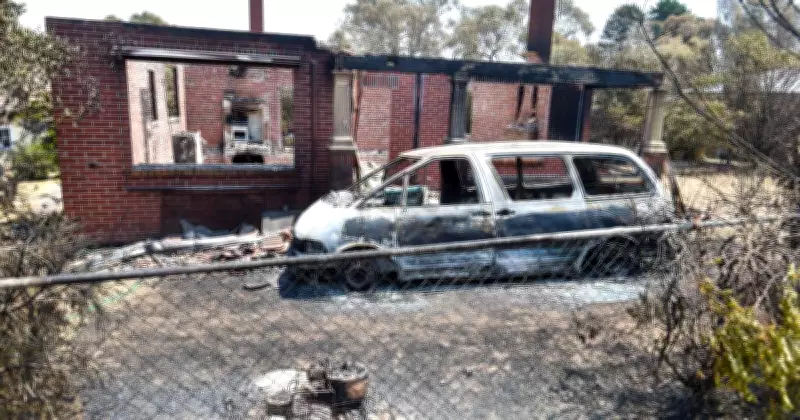
Australia is currently facing a profound insurance crisis, exacerbated by the increasing frequency and severity of natural disasters such as bushfires, floods, and storms. This situation is placing immense pressure on the insurance industry, resulting in soaring premiums and significant gaps in coverage for homeowners and businesses across the nation.
Rising Premiums and Coverage Challenges
Insurance premiums have skyrocketed in recent years, with some regions experiencing increases of over 50% due to the heightened risk of natural disasters. Many Australians are finding it increasingly difficult to afford adequate insurance, leading to a growing number of underinsured or uninsured properties. This trend poses a serious threat to financial stability, as individuals and companies may face devastating losses without proper protection.
Experts warn that the crisis is not limited to high-risk areas; even urban centers are seeing premium hikes as insurers reassess their exposure to climate-related events. The lack of affordable options is forcing some to forgo insurance altogether, creating a vulnerable population that could be crippled by future disasters.

Impact on Homeowners and Businesses
Homeowners are bearing the brunt of this crisis, with many struggling to keep up with escalating costs. In disaster-prone regions, some insurers have withdrawn coverage entirely, leaving residents with few alternatives. This has sparked concerns about housing affordability and community resilience, as people may be unable to rebuild after catastrophic events.
Businesses, particularly small and medium enterprises, are also feeling the strain. Increased insurance expenses are cutting into profits and hindering growth, with some companies forced to relocate or scale back operations to manage costs. The broader economic implications include reduced investment and job losses in affected sectors.
Government and Industry Responses
In response to the crisis, the Australian government and insurance industry are exploring various measures to address the challenges. Proposals include subsidies for high-risk areas, improved building standards to mitigate disaster damage, and public-private partnerships to share risk. However, progress has been slow, and critics argue that more urgent action is needed to prevent a worsening situation.
Insurers are also adapting by using advanced data analytics to better assess risks and set premiums, but this has led to more granular pricing that can exclude vulnerable communities. There is a growing call for regulatory reforms to ensure fair access to insurance and promote sustainability in the face of climate change.
Looking Ahead: Solutions and Preparedness
To combat the insurance crisis, experts emphasize the importance of long-term strategies focused on disaster preparedness and climate adaptation. This includes investing in infrastructure resilience, such as flood defenses and fire-resistant materials, to reduce the impact of natural disasters and lower insurance costs over time.
Community education and support programs are also crucial to help Australians understand their insurance options and manage risks effectively. By fostering collaboration between government, industry, and the public, it may be possible to build a more resilient insurance market that can withstand future challenges.
In conclusion, Australia's insurance crisis is a pressing issue that requires immediate attention. As natural disasters continue to escalate, finding sustainable solutions will be key to protecting the nation's economic and social well-being.