Water Corporation Funding Trouble Blamed for Major Maintenance Issues at Taxpayer-Owned Business
A recent investigation has uncovered that the Water Corporation, a taxpayer-owned utility in Western Australia, is grappling with severe maintenance problems directly linked to funding shortfalls. The report highlights how financial constraints have compromised the corporation's ability to uphold essential infrastructure, sparking worries about service dependability and the efficient use of public funds.
Financial Strain Impacts Infrastructure Upkeep
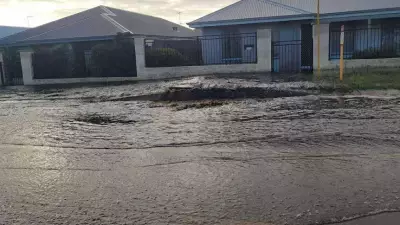
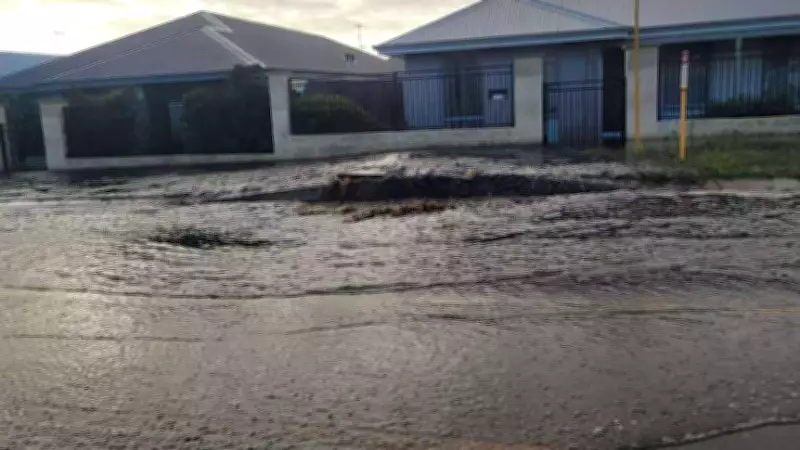
The Water Corporation, which manages water supply and wastewater services across the state, has faced persistent funding challenges that have hindered routine maintenance and critical repairs. Insufficient budgetary allocations have led to a backlog of maintenance tasks, affecting pipelines, treatment plants, and other vital assets. This situation not only threatens the reliability of water services but also increases the risk of costly breakdowns and environmental incidents.
Experts point out that deferred maintenance can escalate into more expensive emergencies, ultimately burdening taxpayers with higher costs. The corporation's struggle to secure adequate funding reflects broader issues in public utility management, where balancing operational needs with fiscal responsibility proves difficult.

Concerns Over Taxpayer Value and Service Reliability
As a taxpayer-owned entity, the Water Corporation is expected to deliver efficient and reliable services while maximizing public investment. However, the funding troubles have raised questions about whether taxpayers are receiving optimal value. Stakeholders, including consumer advocates and government officials, express concern that ongoing maintenance issues could lead to service disruptions, impacting households and businesses alike.
The report emphasizes the need for strategic financial planning to address these maintenance gaps. Proposals include reallocating resources, exploring alternative funding models, and enhancing transparency in how funds are utilized to ensure infrastructure remains robust and resilient.
Broader Implications for Public Utilities
This case sheds light on a common challenge faced by public utilities nationwide: maintaining aging infrastructure amid budgetary pressures. The Water Corporation's experience serves as a cautionary tale for other taxpayer-owned businesses, highlighting the importance of proactive maintenance and sustainable funding strategies.
Moving forward, stakeholders urge collaborative efforts between the corporation, government bodies, and the community to develop solutions that safeguard water services and protect taxpayer interests. Ensuring adequate funding for maintenance is crucial to preventing future crises and upholding the corporation's mandate to serve the public effectively.