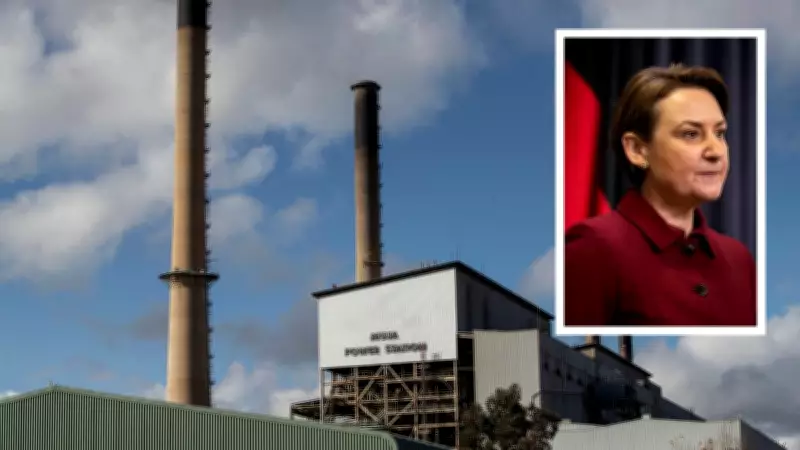
The Western Australian state budget has revealed that household power bills are shouldering a staggering tally of subsidies to fund the government-owned energy provider Synergy. The hidden costs, amounting to more than $500 million annually, have sparked debate over the transparency of electricity pricing in the state.
Subsidy Details Emerge from Budget Papers
According to the latest budget documents, the subsidies are designed to keep Synergy afloat, as the utility struggles with high operational costs and competition from renewable energy sources. The funds are collected through a levy on all electricity bills, effectively passing the burden onto consumers without explicit disclosure.
Treasury officials confirmed that the subsidies have been in place for several years, but the full extent of the financial support has only now been made public. The revelation has prompted calls for greater accountability in the energy sector.

Impact on Households
For the average Western Australian household, the subsidy adds approximately $150 to their annual power bill. This comes at a time when many families are already grappling with rising cost-of-living pressures. Consumer advocacy groups argue that the lack of transparency is misleading and unfair.
“Householders have a right to know what they are paying for,” said a spokesperson for the Consumer Action Group. “These subsidies should be clearly itemized on bills, not hidden in the fine print.”
Government Response
The state government has defended the subsidies, stating that they are necessary to ensure the stability of the electricity market and to support jobs in the energy sector. A government spokesperson noted that Synergy provides essential services and that without the subsidies, electricity prices could be even higher.
“Synergy plays a critical role in our energy system,” the spokesperson said. “These subsidies are a strategic investment to maintain reliable power supply and transition to a cleaner energy future.”
Political Reaction
The opposition has seized on the issue, accusing the government of a lack of transparency and mismanagement of public funds. Shadow Energy Minister Jane Smith called for an independent inquiry into Synergy’s finances and the subsidy scheme.
“Families are struggling to pay their bills, and the government is hiding the true cost of its failed energy policies,” Smith said. “We need a full audit of Synergy and a commitment to phasing out these hidden taxes.”
Market Implications
Energy market analysts have warned that the subsidies could distort competition and discourage private investment in renewable energy. By propping up a state-owned entity, the government may be hindering the development of a more efficient and sustainable energy market.
“Subsidies like these can create an uneven playing field,” said energy economist Dr. Michael Brown. “Private companies may be reluctant to enter the market if they feel they cannot compete with a government-backed player.”
The budget papers indicate that the subsidies are expected to continue for the foreseeable future, with no clear exit strategy. This has raised concerns about the long-term fiscal sustainability of the arrangement.