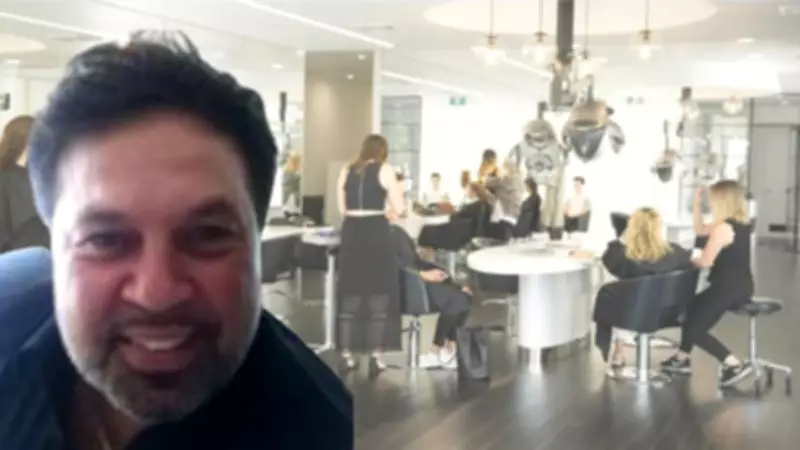
Multiple companies linked to celebrity hairdresser Tony Torcasio, the founder of the Rokk Ebony salon chain, have collapsed, leaving behind a staggering $52 million in debts. The insolvencies have affected hundreds of creditors, including employees, suppliers, and landlords, who are now left chasing unpaid bills.
Details of the Collapse
The companies, which include Rokk Ebony Pty Ltd and several associated entities, were placed into administration or liquidation in recent weeks. According to documents filed with the Australian Securities and Investments Commission (ASIC), the total debts amount to approximately $52 million. The largest creditors include the Australian Taxation Office (ATO), which is owed millions in unpaid taxes, and various landlords across Victoria and New South Wales where the salons operated.
Impact on Employees
Former employees have been left in the lurch, with many claiming they are owed wages, superannuation, and annual leave entitlements. The Fair Entitlements Guarantee (FEG) scheme may provide some relief for workers, but the process can be lengthy. One former staff member, who wished to remain anonymous, said: 'We were told the company was struggling, but we never expected this. Many of us have families to support and bills to pay.'

Creditors Left Unpaid
Suppliers and service providers are also among those affected. A Melbourne-based beauty product supplier said they are owed over $100,000 for products delivered to Rokk Ebony salons. 'We have been dealing with them for years, and they always paid on time. This came as a complete shock,' the supplier said.
Tony Torcasio's Statement
Tony Torcasio, who built the Rokk Ebony brand into a household name in Australian hairdressing, has expressed regret over the situation. In a statement released through his lawyers, Torcasio said: 'I am deeply sorry for the impact this has had on employees, creditors, and loyal customers. The business faced unprecedented challenges due to the COVID-19 pandemic, rising rents, and changing consumer habits. Despite our best efforts to restructure and find a buyer, it was not enough to save the company.'
Future Plans
Torcasio indicated that he is working with insolvency practitioners to maximise returns for creditors. He also hinted at a potential return to the industry in a smaller capacity, though no concrete plans have been announced. 'Hairdressing is my passion, and I hope to one day re-enter the industry, but for now, my focus is on resolving these debts and supporting those affected,' he said.
Industry Reaction
The collapse has sent shockwaves through the Australian hairdressing industry. The Australian Hairdressing Council (AHC) released a statement expressing concern for the affected workers and calling for better support for small businesses in the sector. 'This is a tragic reminder of the pressures facing our industry. We urge the government to consider targeted assistance for hairdressing businesses struggling with the aftermath of the pandemic,' an AHC spokesperson said.
Lessons for Business Owners
Insolvency experts have highlighted the case as a cautionary tale for business owners. 'Even well-known brands can fail if they are not agile enough to adapt to changing market conditions. It is crucial for businesses to monitor their cash flow closely and seek professional advice at the first sign of trouble,' said a partner at a leading accounting firm.
The Rokk Ebony collapse is one of the largest insolvencies in the Australian hairdressing sector in recent years. Creditors are expected to receive only a fraction of what they are owed, with unsecured creditors likely to get little to nothing. The case is now in the hands of administrators, who are tasked with winding up the companies and distributing any remaining assets.